
Understanding emetophobia and breaking out of the cycle of fear by facing triggers - Part 2
Great choice!
That decision is the first step towards recovery
You can do this!
This is part 2 of reducing the impact of trigger content. If you have not read part 1, click here:


Aims of this page
The aim of this page is to stop trigger content from scaring you.
By the end I hope you are not longer afraid of:
Words.
Pictures.
Sounds.
Or videos of people being sick.
How are we going to achieve this:
First, I am going to teach you why you don't need to be afraid. This is great information but just logically knowing it is safe often makes little impact to your emetophobia on its own. To really make it matter, you need to see some real evidence that backups what I am saying. To achieve this we are going to do some mini experiments together to show you that you have nothing to fear.

First you need to learn why trigger content is safe, then you need to prove it. Only then can you put this lesson into everyday life
Why do we avoid trigger content about sickness?
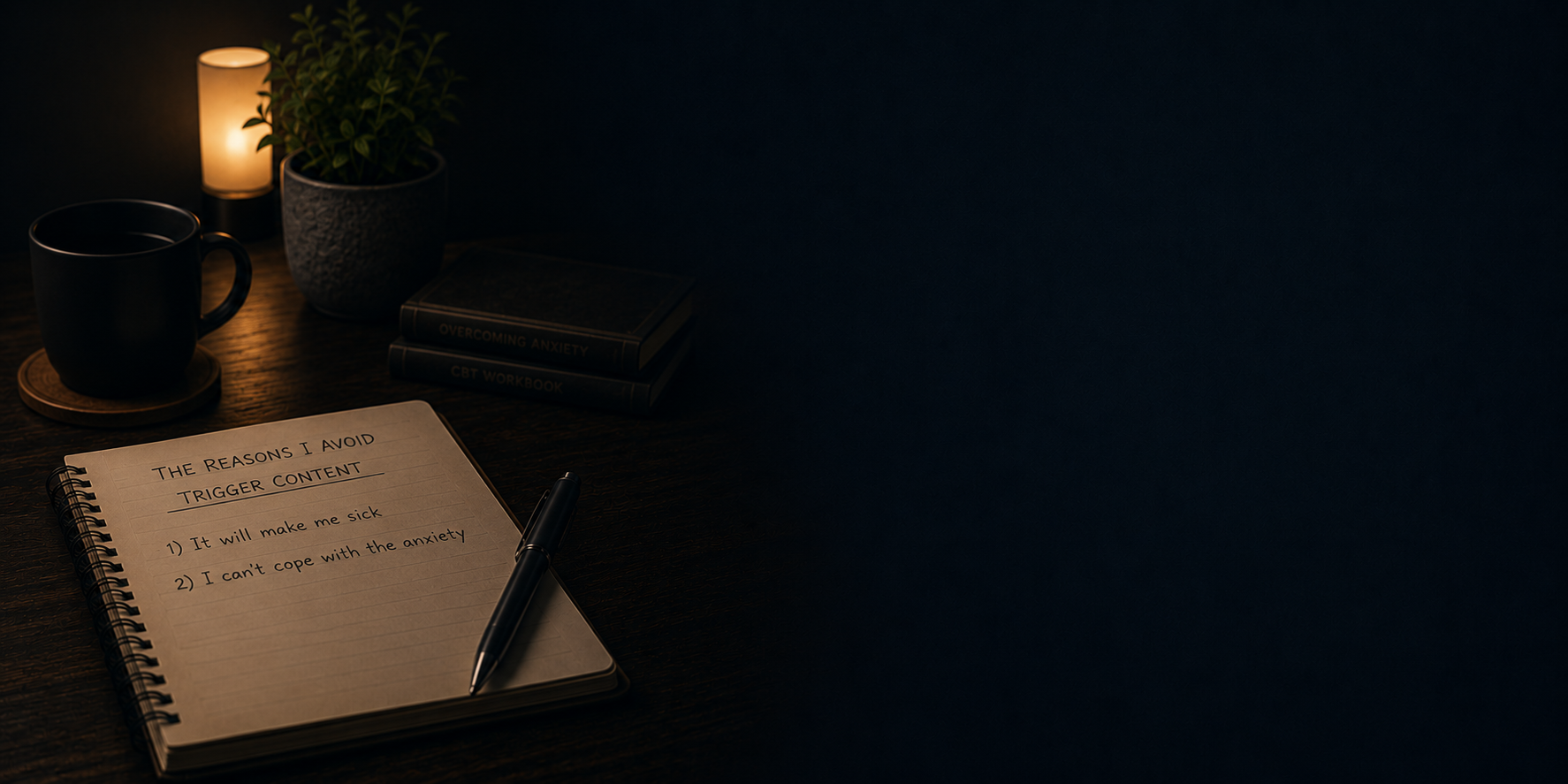
Going back to part 1, I mentioned that trigger content is avoided because those with emetophobia see it as potentially dangerous. For many people with emetophobia, avoidance feels like it is protecting you from one of these two feared outcomes:
“It might make me be sick”
You may believe that seeing or hearing something about vomiting will make you nauseous or gag which will then lead to you being sick.

“I won’t be able to cope”
Or you may believe that seeing something triggering will cause overwhelming anxiety, panic or a feeling that you have lost control and will then be unable to cope with these feelings.
If you believe these two ideas, then it makes perfect sense why these triggers feel scary. However, the fact that these triggers do not affect others in this way demonstrates that the content must factually be safe and that these beliefs may not be accurate. If so, we can learn to not be triggered by this type of content.
Challenging Idea 1: “It might make me be sick”
The first reason this content is avoided is because because think it might lead to gagging or feeling, which will lead to you being sick.
This idea makes sense on the surface but stems from a common misunderstanding that those with Emetophobia (and most the general population) have about the purpose of nausea. Most people believe that nausea is ‘a warning sign’ or ‘a lead up’ to being sick. This idea is actually incorrect.
The big problem with believing that feeling nauseous (or gagging) is highly linked to being sick, is that it means that any time you feel nauseous, you panic thinking you might be sick. And if you have Emetophobia, it is highly likely you feel nauseous a lot.
Nausea often has nothing to do with being sick. This false belief makes nausea feel like a threat and feel scarier than it is.
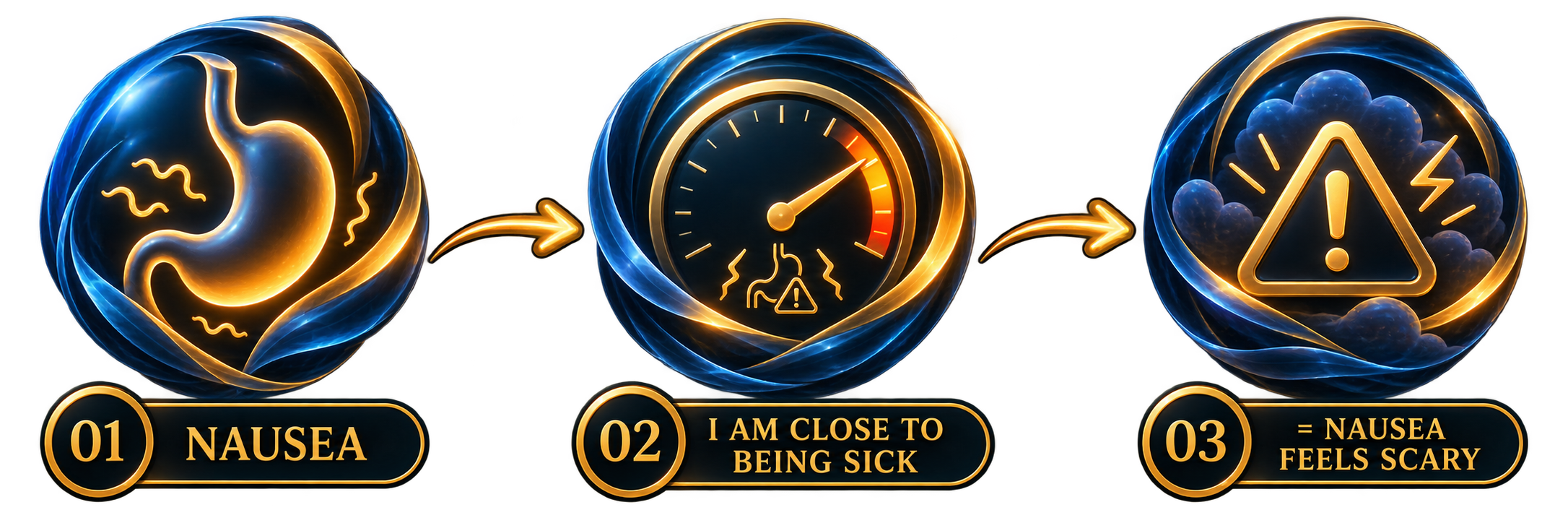
So what is the purpose of nausea?
Nausea is actually a protective feeling reduced by your body to keep you safe. It has many different causes but it is most linked to our disgust response. Disgust is an emotion that everyone feels and is a very important emotion for survival.
Think of things that cause people to feel disgusted:
Rotten food.
Bad smells.
Infections.
Illness.
Sick.
Insects and pests.
Mould and fungus.
Slimy or sticky textures.
Faeces and waste.
Discoloured water.
Dead animals.
Strange or unusual foods.
Can you spot a common theme yet?
The answer:
We feel disgusted by anything that signifies germs or contamination. Anything that can make us unwell if you were to eat or get to close to it.
When our disgust response turns on, it causes the sensation of nausea. Nausea is a powerful feeling that is designed to prevent you from eating or getting close to the thing causing the sensation. Those with emetophobia never consider that their disgust response as a cause of nausea and that it is simply a feeling to prevent eating that is rarely linked to being sick. Ask yourself how often you feel nauseous compared to how often you are actually sick. There is most likely as massive gap between those numbers because they simply are not linked. The reason we see them as linked is that nausea is often produced when being sick. But this makes sense, when your body is trying to get food out, it wants you to stop eating. So it produces nausea.
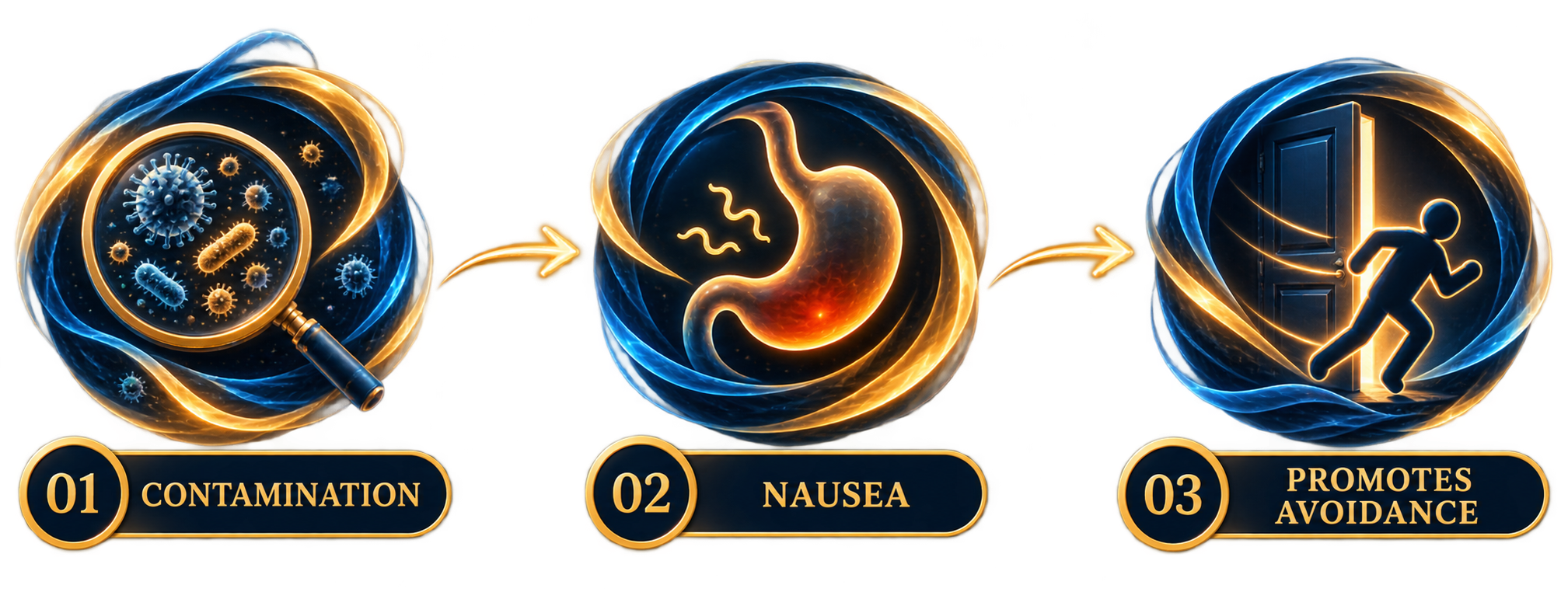
So should I avoid things if they cause me to feel nauseous? - No
The human brain has the ability to predict the future and imagine things that are not really happening. To do this it reuses the same brain regions that would be activated if we were experiencing the real thing.
For example, if you close your eyes and imagine a puppy, your primary visual cortex (the part of the brain that processes real sight) lights up, just like it would if a puppy walked into the room. This isn't just for sight. If you imagine a song, your auditory cortex activates. If you imagine kicking a ball, the motor cortex (which controls movement) primes itself in a similar pattern to an actual kick.
The only difference is in the intensity and the direction of information in the brain. When you see a real puppy, the signal goes from your eyes up to your brain. When you imagine a puppy, the signal starts in your memory/higher brain regions and travels down to the visual areas.
This intensity can get ramped up by how much we focus on the thing we are thinking about. If you tell yourself something is a threat, your brain pays more attention to it.
When we view or think about trigger content or being sick, you are implicitly telling yourself there is a threat of contamination and sickness. So your disgust response reacts to this imagined threat and produces nausea to prompt avoidance. This works perfectly if the threat is real. But there is zero risk of real contamination from a word, image, sound or video.
So trigger content does cause nausea for some people. This nausea then gets misinterpreted as a sign of vomiting, when in reality it is just your disgust response reacting to a false threat of contamination.
Nausea rarely leads to sickness. Think about how many times you have felt nauseous over your life time compared to how often you have been sick. Those numbers do not add up because nausea is rarely linked to being sick (even thought it feels like it).
There are many causes for nausea. But the two most common is the disgust response and due to anxiety.
Nausea can be caused by anxiety
Nausea can also be a unintended side effect of our bodies “fight or flight” system. When we are anxious, regardless of the cause, our body gets ready to either fight the danger or run away from the threat as fast as possible. Your body reacts as if you are in a life-threatening situation. So your body redirects blood flow and energy away from less vital things like digestion and towards your muscles. Your body presses the emergency stop button on your stomach.
If your digestive system is slowed down, your body wants you to stop eating. So it produces nausea to prevent you from eating. This instant stopping of your digestive system, paired with increased muscle tension and hormonal changes causes nausea as a side effect that as noting to do with sickness. If you feel nauseous all of the time, it most likely means you are stuck in this fight and flight mode constantly.
The thing is, there are many different types of anxiety disorders’ out there and people who are chronically stressed, however they don’t seem to complain about nausea to the same degree of those with emetophobia. So why is this? It is because when they feel anxious, they often don’t care enough about nausea to even notice it. But those with emetophobia have trained themselves to always watch out for nausea, so they notice it when others wouldn’t. So the problem is not the nausea, it is the belief that it is dangerous or linked to being sick.
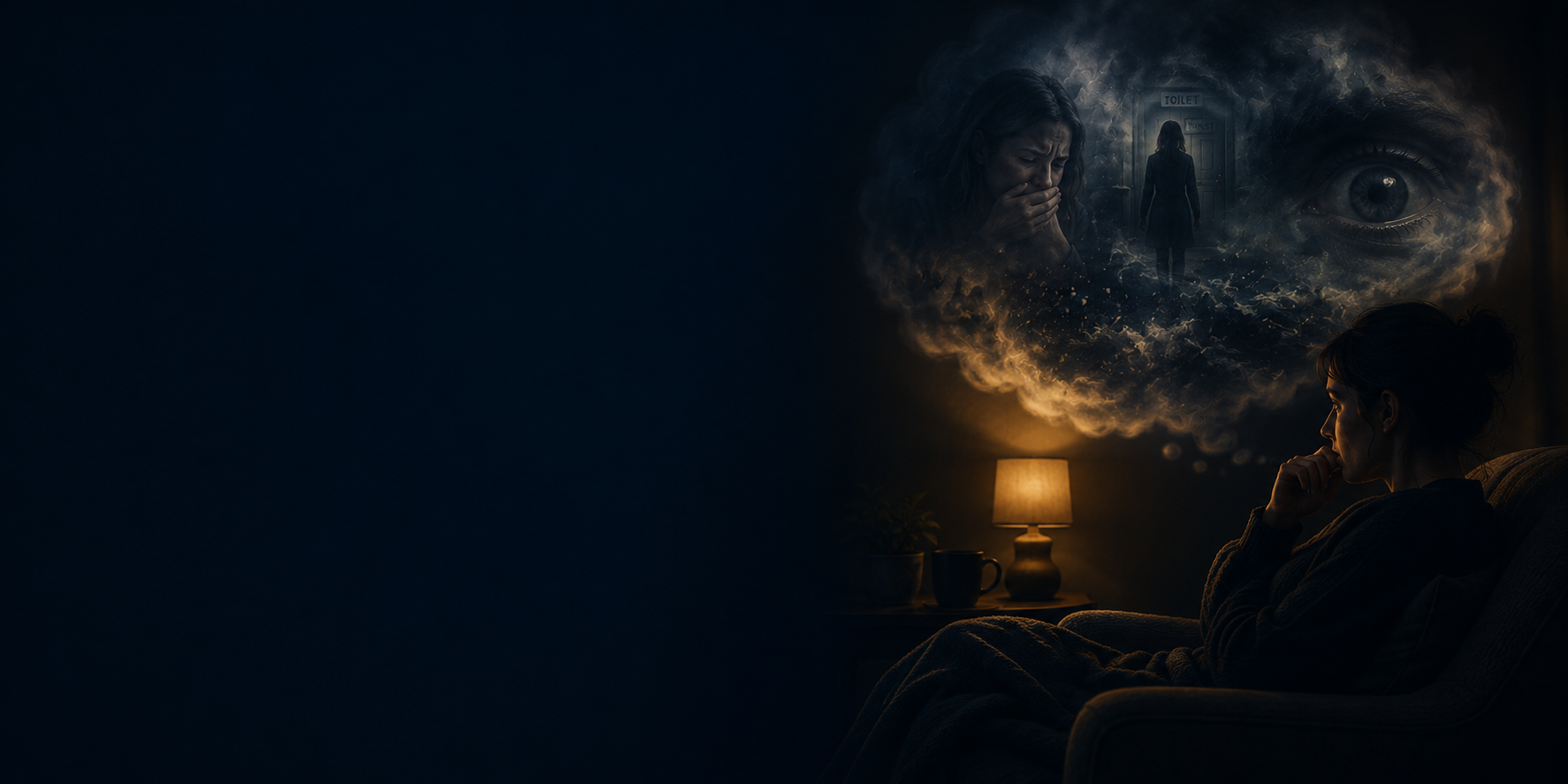
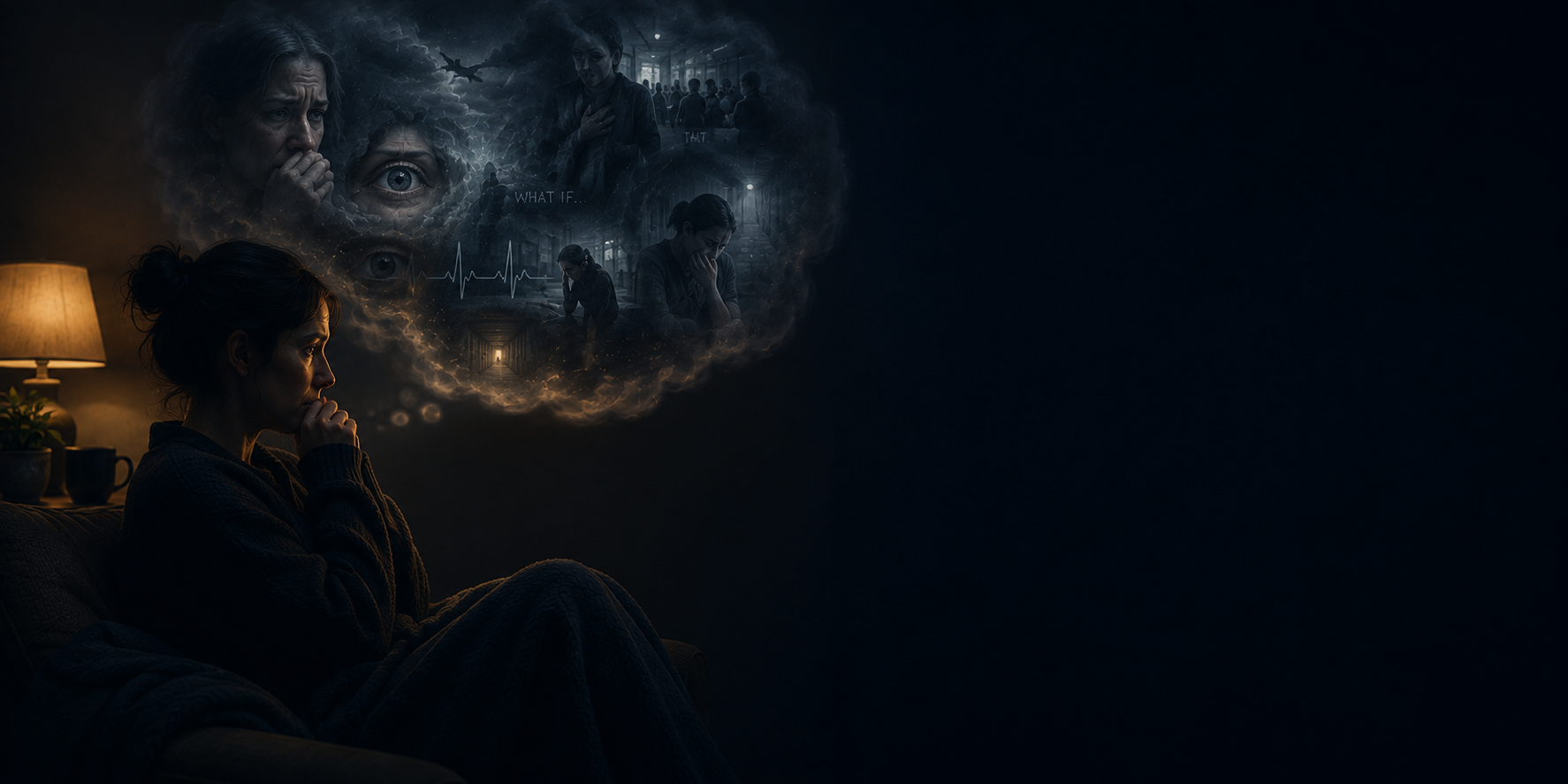
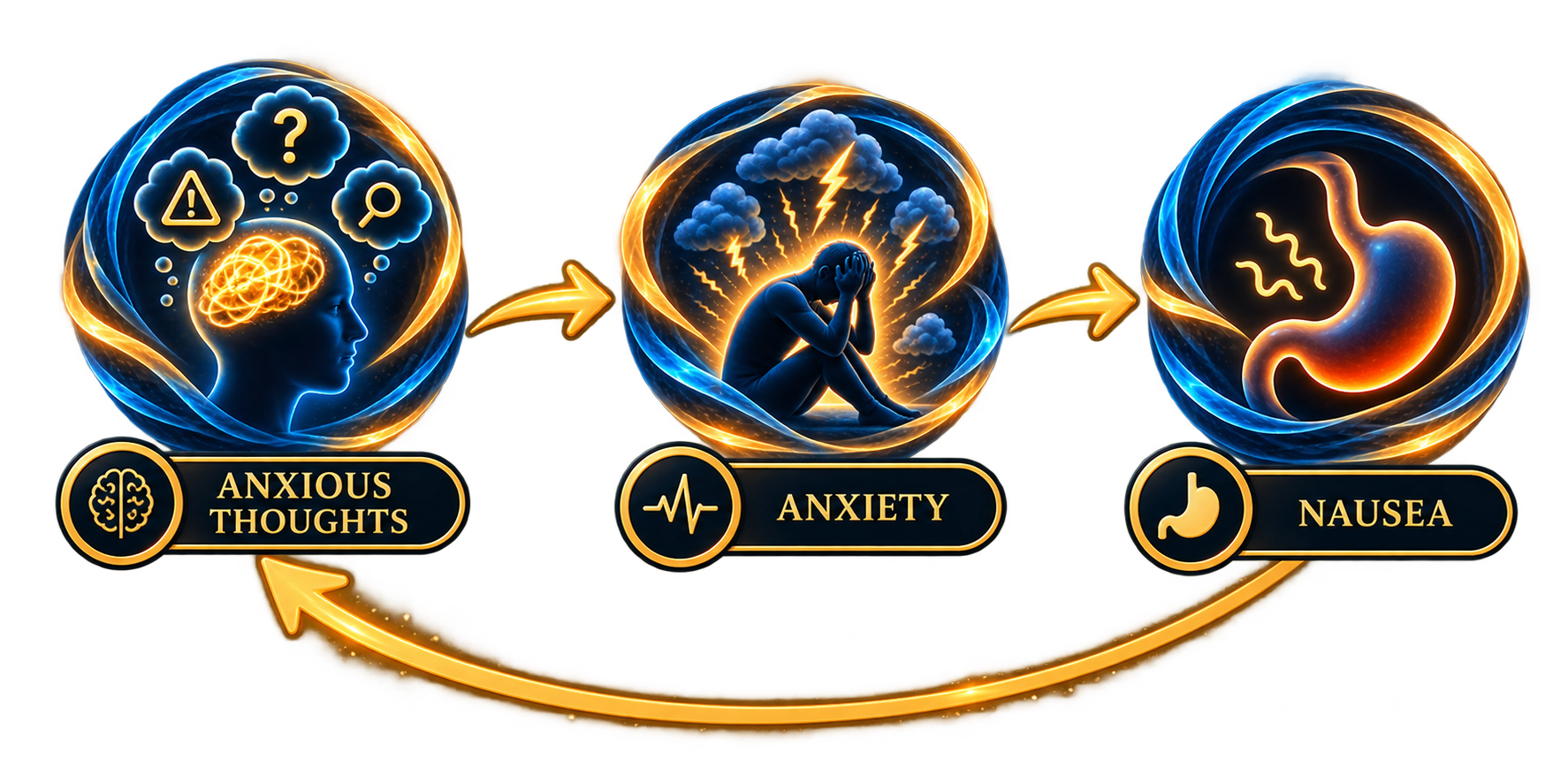
When you are anxious about nausea, you then feel more anxious when you notice it, which produces more nausea and can create a feedback loop of anxiety and nausea.
This creates a loop you can get trapped in.
Challenging Idea 2: “It will cause me extreme anxiety and I won’t be able to cope”
Trigger content sometimes does cause anxiety for those with emetophobia because you have told yourself that it is dangerous and that the symptoms of nausea it produces can lead to sickness.
This leads to a vicious cycle between what your mind is telling you will go wrong and the feelings of anxiety and nausea. These feelings validate your anxious thoughts and produce more anxiety and nausea. Often escalating your anxiety into a panic attack.
This is why most people avoid things that trigger their anxiety. However, this is only a short term solution. You can avoid trigger content forever and the more you try, the more triggering it becomes when you do see it. The real solution to this is to show you it is safe. This stops the anxiety in the long term.
When trigger content pops up, try to see your anxiety like a false alarm. It feels really intense and loud but we can choose to not listen to it. Often people try to stop or pause away the alarm. This only makes it worse because you start to get into a battle with your own anxiety system. Instead, the best option is to actually be willing to experience it but don’t act on it. This removes the struggle and allows you to get through it. More on this later.
For now, we will face trigger content in a really small step-by-step way starting really small to help you do this with confidence rather than feeling to anxious. Once you realise it is safe, you will no longer need to feel anxious about this type of content.
Trigger content is factually safe.
The truth is that trigger content is factually safe. It is our interpretation of it being dangerous, harmful or intolerable that is feeding our fear. And that we can change. The best way to break you out of your fear is to prove to yourself that they are safe and that these two ideas are false.
Idea 1: You think it will cause you to be sick.
Idea 2: You think that you will become panicked, out of control and unable to cope.
Let’s help you prove this.
How do we test out these ideas?
We can test these ideas out by slowly and intentionally facing trigger content. Not to scare you, but to build your confidence and to disprove those two ideas. We can start this really small and work our way up.
We will start by looking at words linked to sickness and then move onto sightly harder categories like cartoons once you feel ready.
The idea is to help you realise that nothing bad happens from doing this. Yes you might feel a bit nauseous, but that is just your disgust and anxiety response. It won’t lead to being sick. The aim is to also show you how too tolerate, cope or better yet accept feeling anxious.
This idea might feel scary but I have never met someone who didn’t tell me it was actually much easier than they expected when it was done correctly. Have a look at this video of a real ex-client of mine talking about her experience of doing this and how it helped her overcome her emetophobia.

Instructions for this experiment
The page bellow has categories of trigger content, starting with words, then moving slowly onto cartoons, images and so on. Start with the easy ones and move on once you have learnt something about these two ideas:
Idea 1: You think it will cause you to be sick.
Idea 2: You think that you will become panicked, out of control and unable to cope.
All you need to do is keep looking at the content until you start to feel bored or have learnt it is safe.
If you start to feel nauseous, remind yourself that is this caused by our disgust and anxiety response.
If you feel anxious, remind your that your anxiety is only responding to the danger you have told it that exists, not that the tigger content is factually dangerous. Don’t try and pause the anxiety away or reduce it. Calmly face it, and be willing to experience it, because doing so allows you to start reclaiming your life from your phobia.
When doing this experiment you must not use any safety behaviours. These are things that you might do to prevent your fear or reduce your anxiety. Such as sipping water, looking away, distraction etc. Click here for more information on safety behaviours.
Let’s start with words:
Below, there will be some words shown one at a time that describe being sick. Read the word and really imagine what it means. Allow your mind to think about the concept and picture it. You may feel a little anxious or nauseous. That is expected, especially if you have been avoiding these words for a long time or if your emetophobia is severe. But remember, nausea does not mean you will be sick and anxiety doesn’t mean there is a problem.
Before you start we need to predict what we think will happen so that afterwards we can see how accurate our anxious predictions are.
Anxious prediction 1: You think it will cause you to be sick.
Anxious prediction 2: You think that you will become panicked, out of control and unable to cope.
Mentally note any other anxious predictions you have about this.
Give it a try now. Keep looking at the word until you feel bored (and yes you will feel bored) and until you have learnt something about those predictions. Then move onto the next word and continue.










Well done on reading those words!
Learning:
After each experiment we need to reflect on what we have learnt from doing it by seeing if our predictions where correct or incorrect.
Anxious prediction 1 - You think it will cause you to be sick:
Due to our disgust response it is possible to have felt nauseous or even that you gagged. But the real question we are looking at is if this lead to being sick. Most likely not. Why? Because 99.9% of the time, nausea is apart of your disgust response. Not about being sick. Based on this, what have you learnt about:
1) The real likelihood of your fears coming true compared to what your anxious mind wants you to believe.
2) What have you learnt about how safe or dangerous trigger words are?
3) What have you learnt about the need to avoid these types of words?
4) What have you learnt about the accuracy of using nausea as a predictor of a real problem?
Anxious prediction 2 - You think that you will become panicked, out of control and unable to cope:
Did you feel anxious? Probably. But, what happened the longer you did the task? It should have reduced once you realised that reading these words doesn’t lead to being sick. Which is great. But also, what have you learnt about the ability to feel anxious and still make a choice to do something without having to push the anxiety away? Hopefully you have learnt that anxiety doesn’t have to be battled with or reduced to do things.
Based on this:
1) What have you learnt about tolerating, coping or better yet, accepting feelings of anxiety?
2) What have you learnt about how accurate or not your anxiety is about warning you of real danger?
3) Keep repeating this exercise until it doesn’t bother you any more.
Reflect on any other predictions you made.
Hopefully you have learnt that these words are just pictures on a screen. They have no ability to harm you. So they don’t have to be feared.
Now what?
It’s not good enough to just change our thinking. We need to change our actions in the future based on what we have learnt.
Based on what you have learnt, how are you going to react to words linked to vomiting in the future? Are you going to avoid them, or are you able to face them calmy because they are safe?
The next step - Cartoons:
So, now we know trigger words don’t lead to being sick. We also need to learn this about other types of triggers. Especially visual reminders. Let’s start with cartoons. Follow the same steps as before.
Again we are testing out these two ideas:
Anxious prediction 1: You think it will cause you to be sick.
Anxious prediction 2: You think that you will become panicked, out of control and unable to cope.

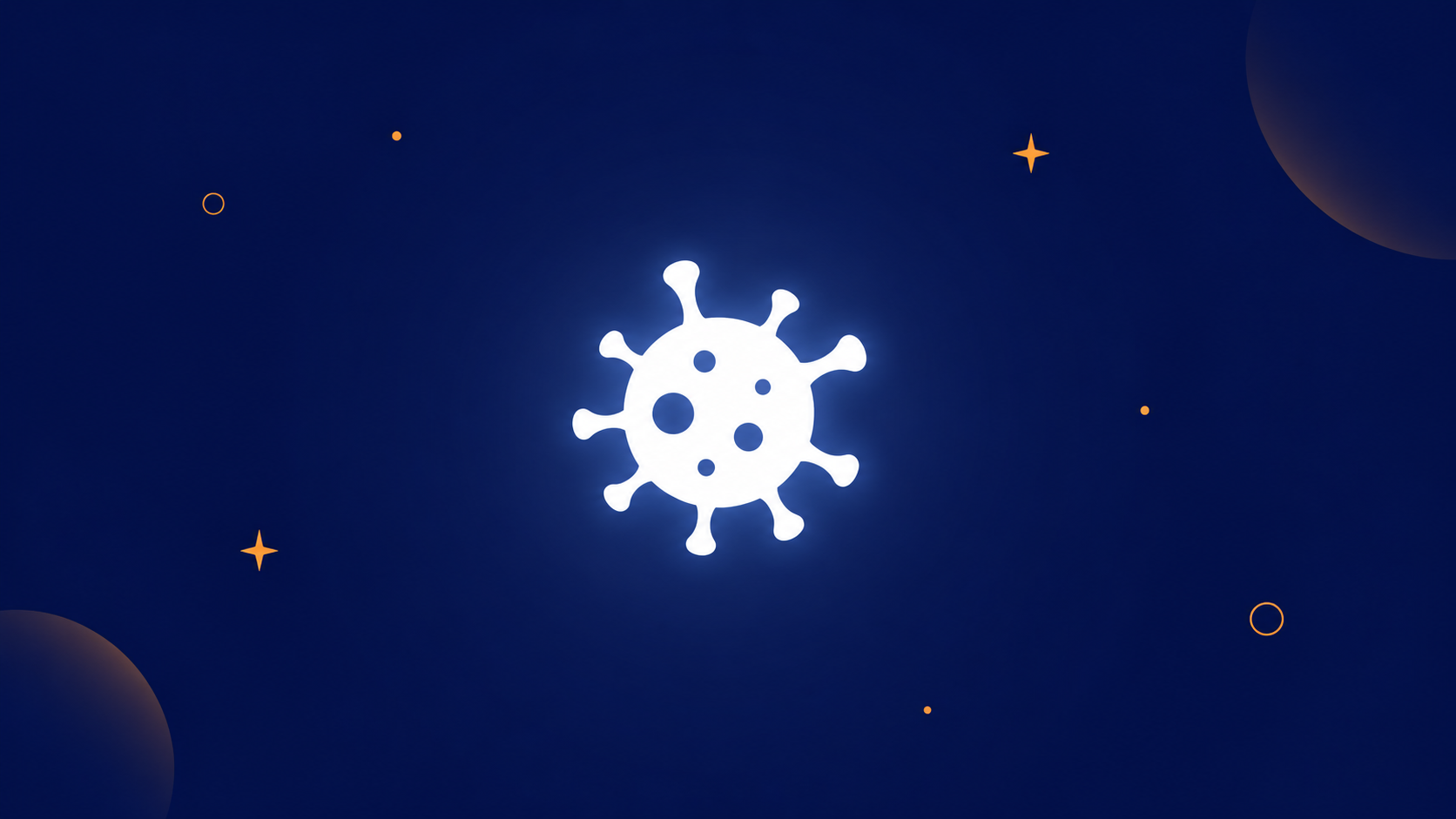
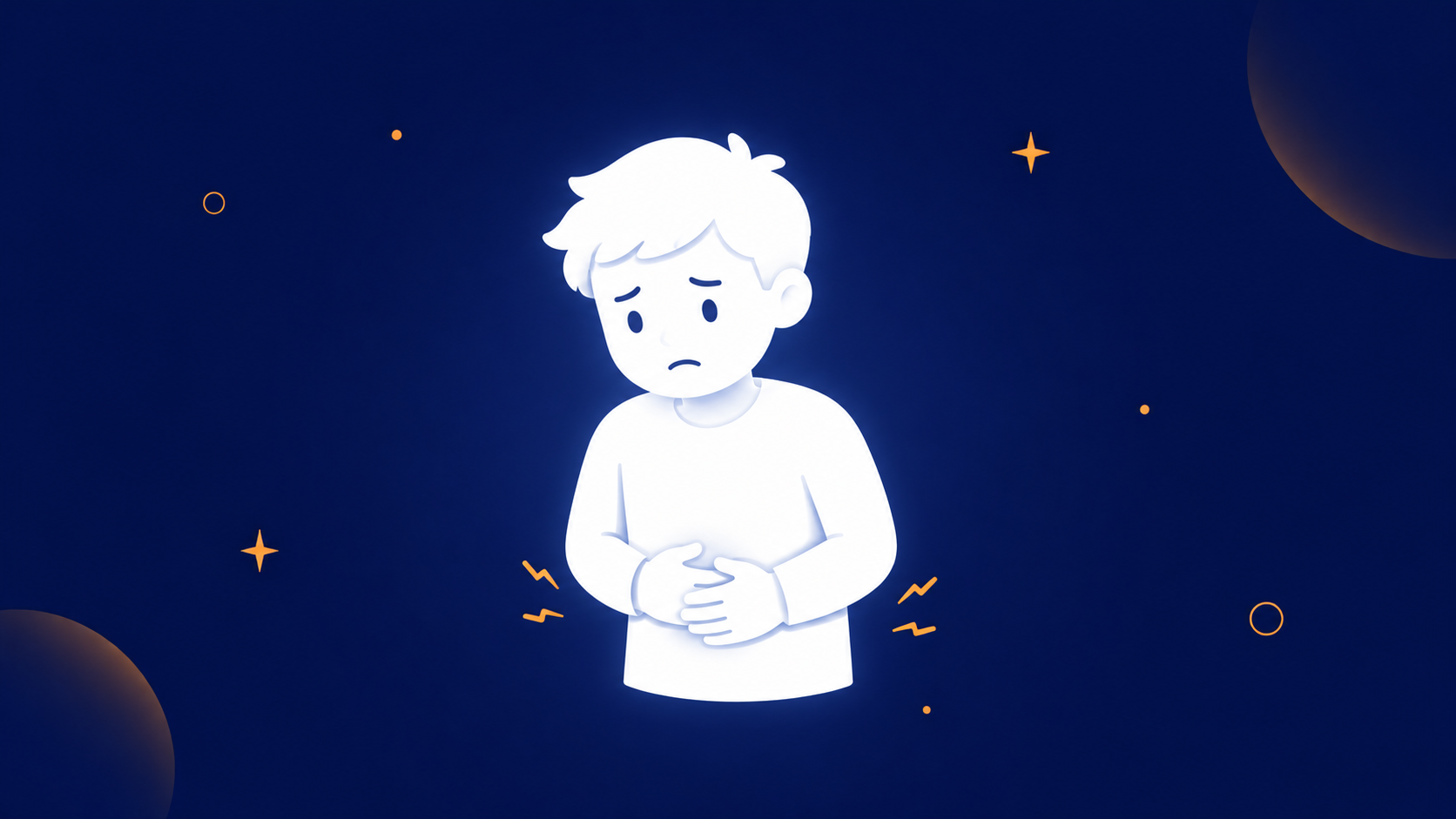
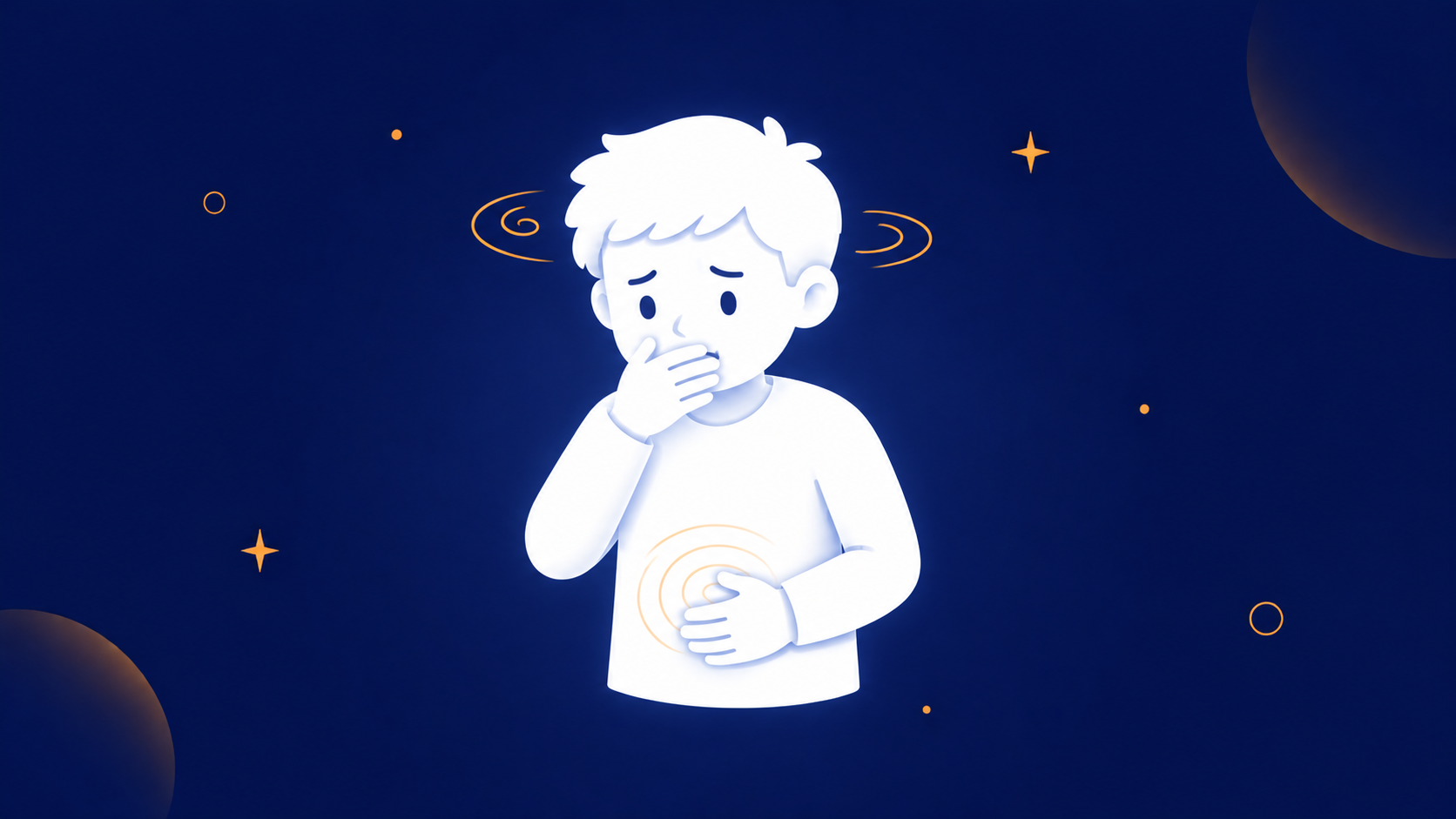
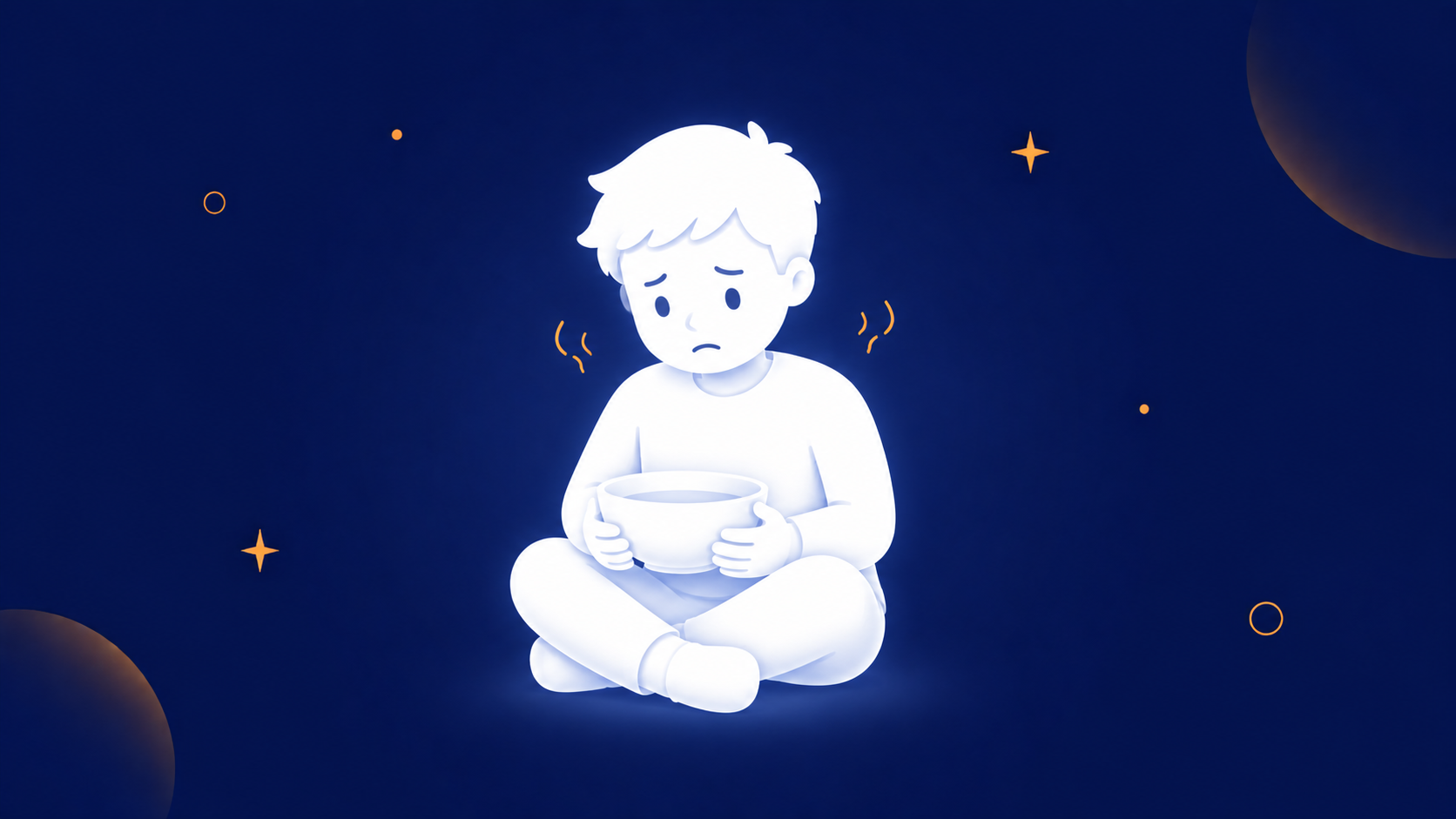
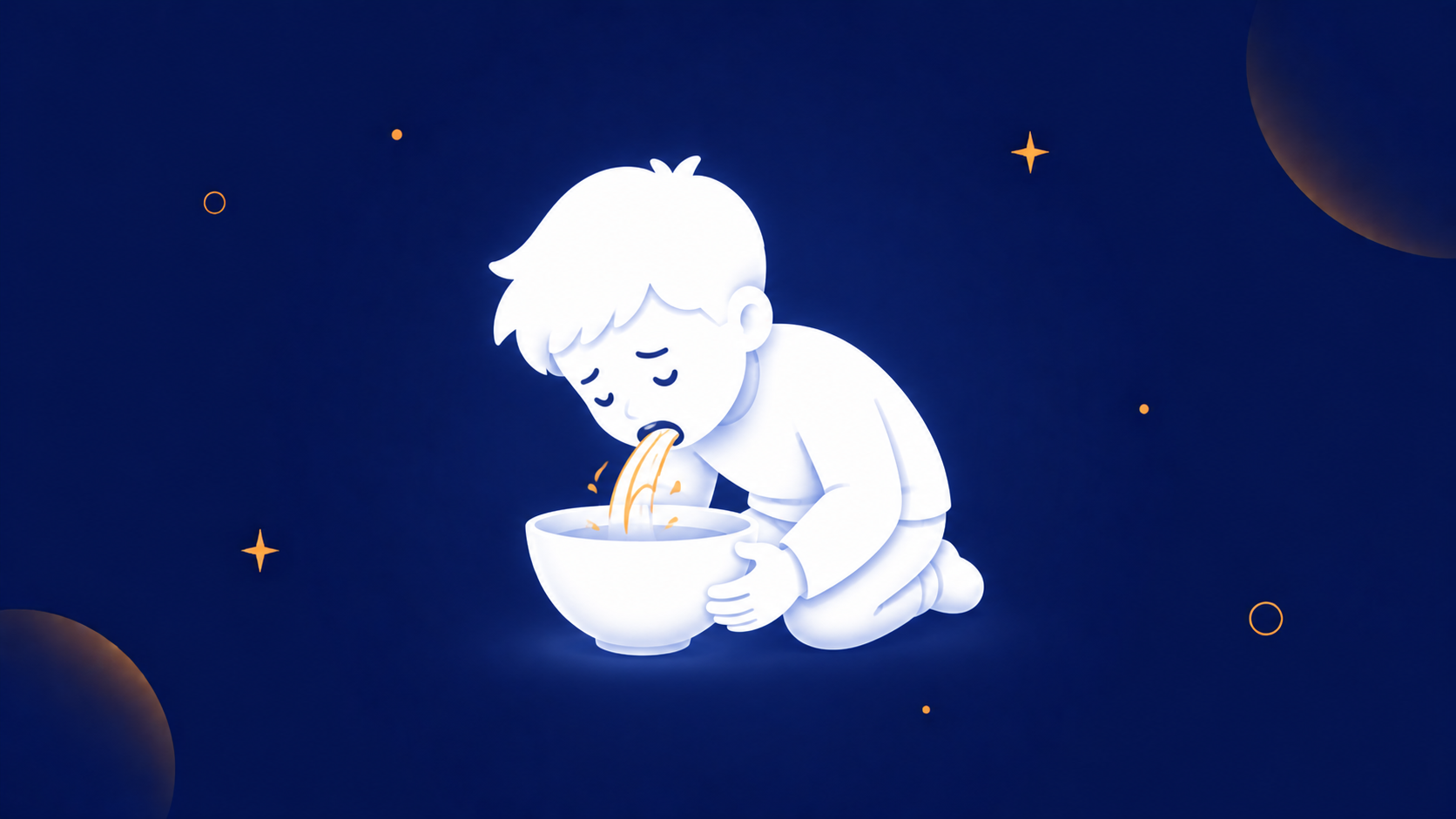
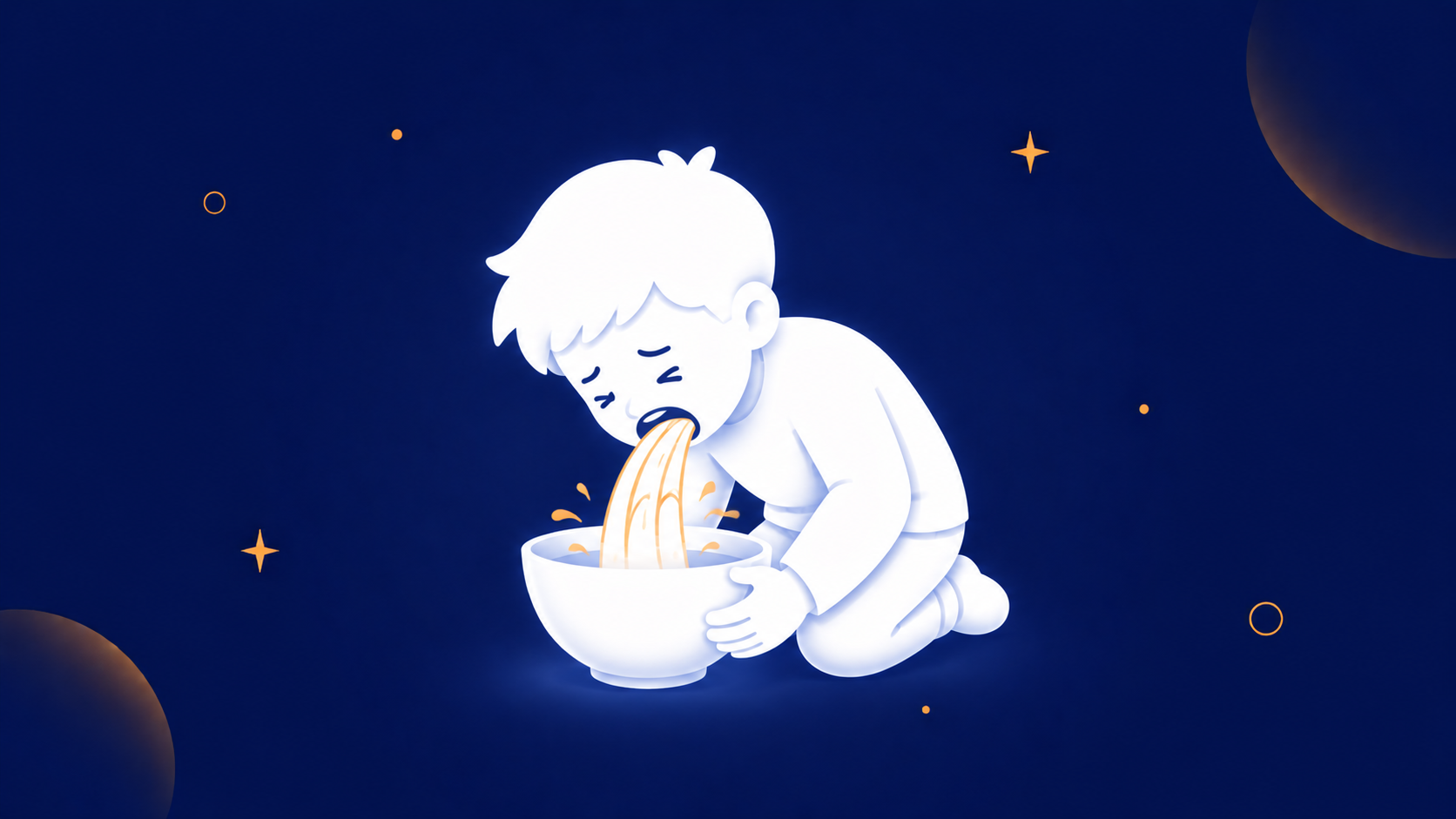
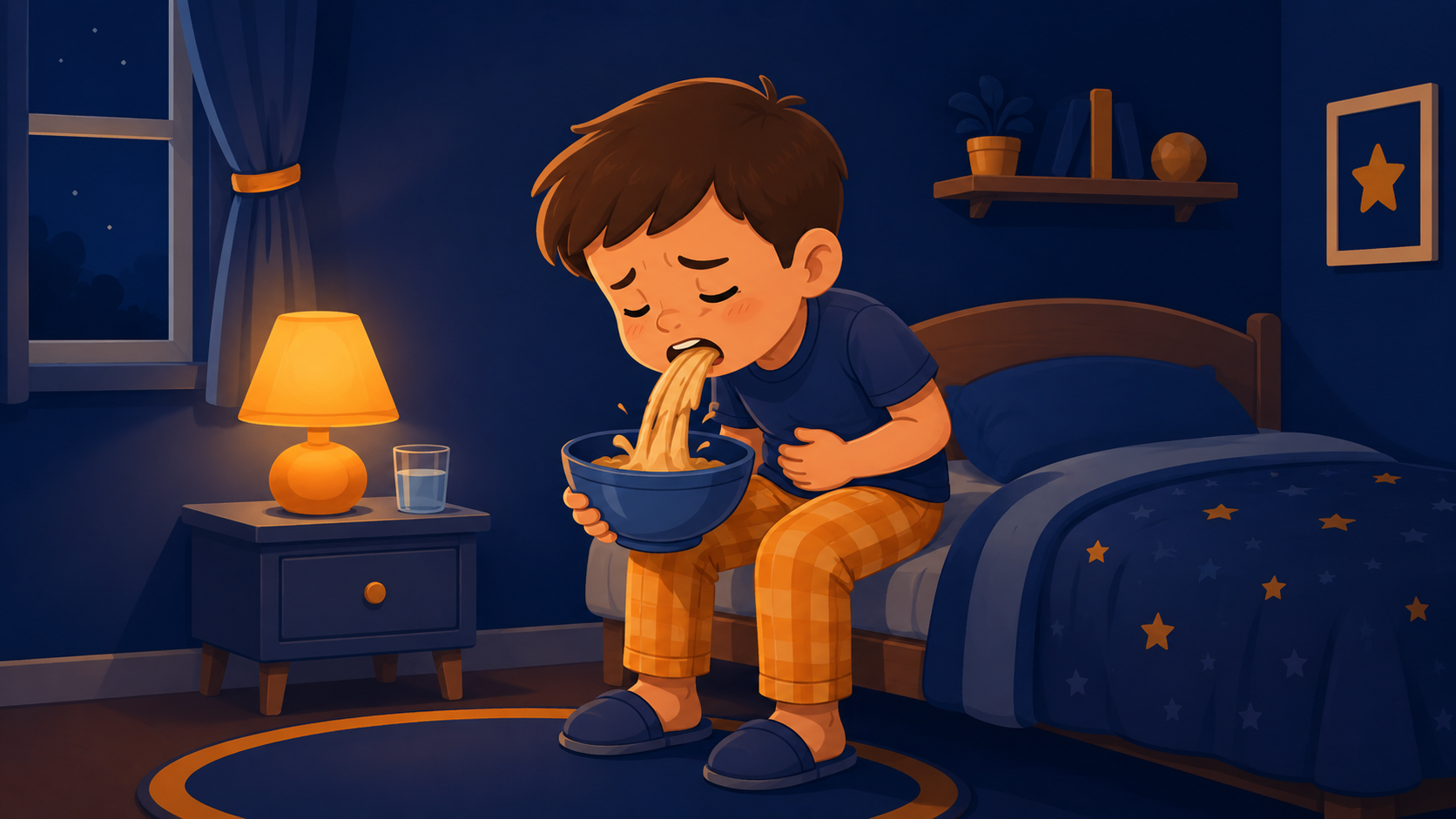
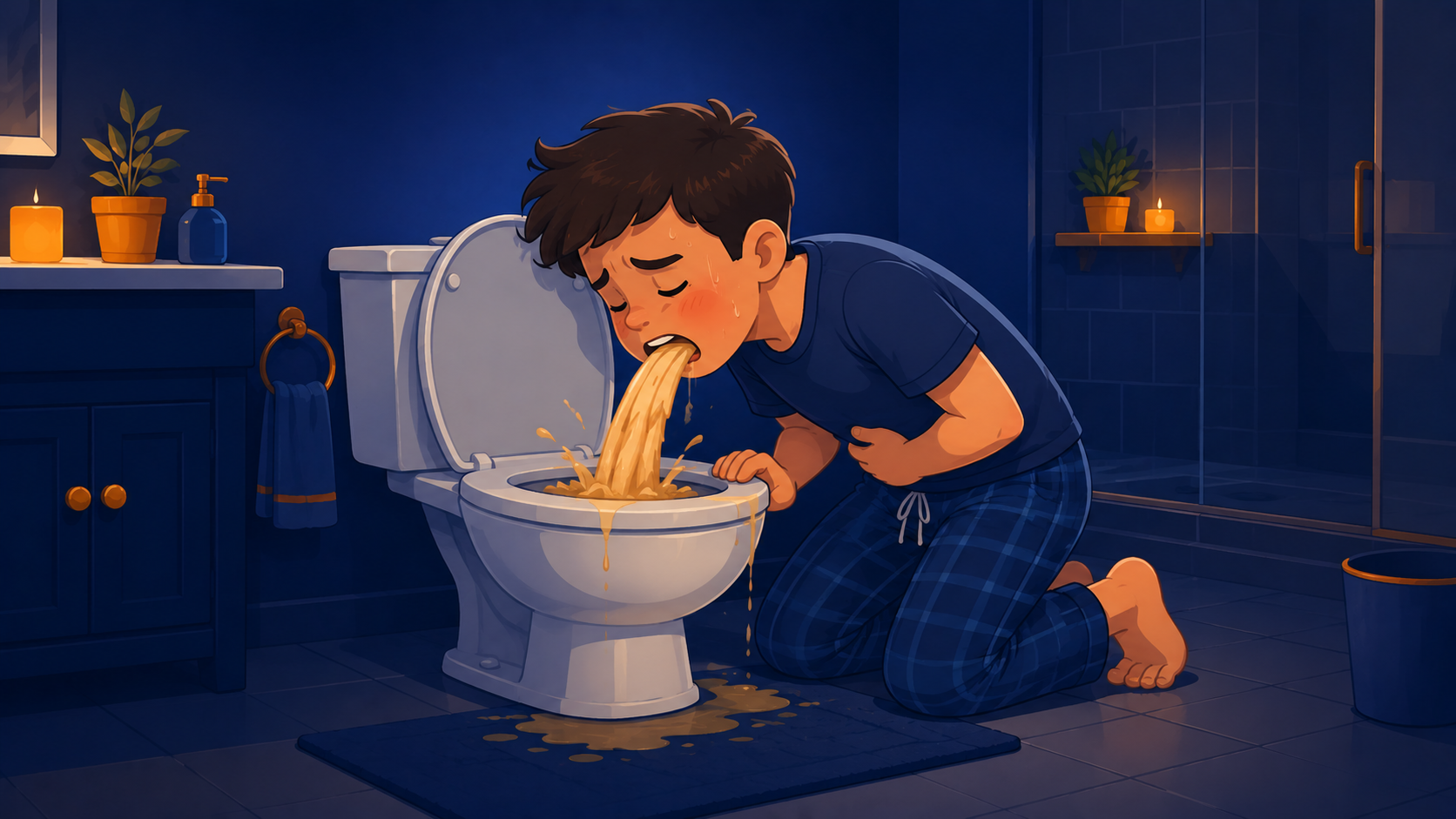





Another big well done on those cartoons!
Learning:
After each experiment we need to reflect on what we have learnt from doing it by seeing if our predictions where correct or incorrect.
Anxious prediction 1 - You think it will cause you to be sick:
Just like before, it is possible to have felt nauseous or even that you gagged, but the real question we are looking at is if this lead to being sick. Again, most likely not.
Based on this, what have you learnt about:
1) The real likelihood of your fears coming true compared to what your anxious mind wants you to believe.
2) What have you learnt about how safe or dangerous triggering images are?
3) What have you learnt about the need to avoid these types of cartoons?
4) What have you learnt about the accuracy of using nausea as a predictor of a real problem?
Anxious prediction 2 - You think that you will become panicked, out of control and unable to cope:
Did you feel anxious? Probably. But, what happened the longer you did the task? It should have reduced once you realised that seeing these images doesn’t lead to being sick. Which is great. But also, what have you learnt about the ability to feel anxious and still make a choice to do something without having to push the anxiety away? Hopefully you have learnt that anxiety doesn’t have to be battled with or reduced to do things.
Based on this:
1) What have you learnt about tolerating, coping or better yet, accepting feelings of anxiety?
2) What have you learnt about how accurate or not your anxiety is about warning you of real danger?
3) Keep repeating this exercise until it doesn’t bother you any more.
Reflect on any other predictions you made.
Hopefully you learnt that cartoons are just pixels on a screen. They have no ability to harm you. So they don’t have to be feared.
Now what?
Based on what you have learnt, how are you going to react to images linked to vomiting in the future? Are you going to avoid them, or are you able to face them calmy because they are safe?
The next step: photographs of people before vomiting
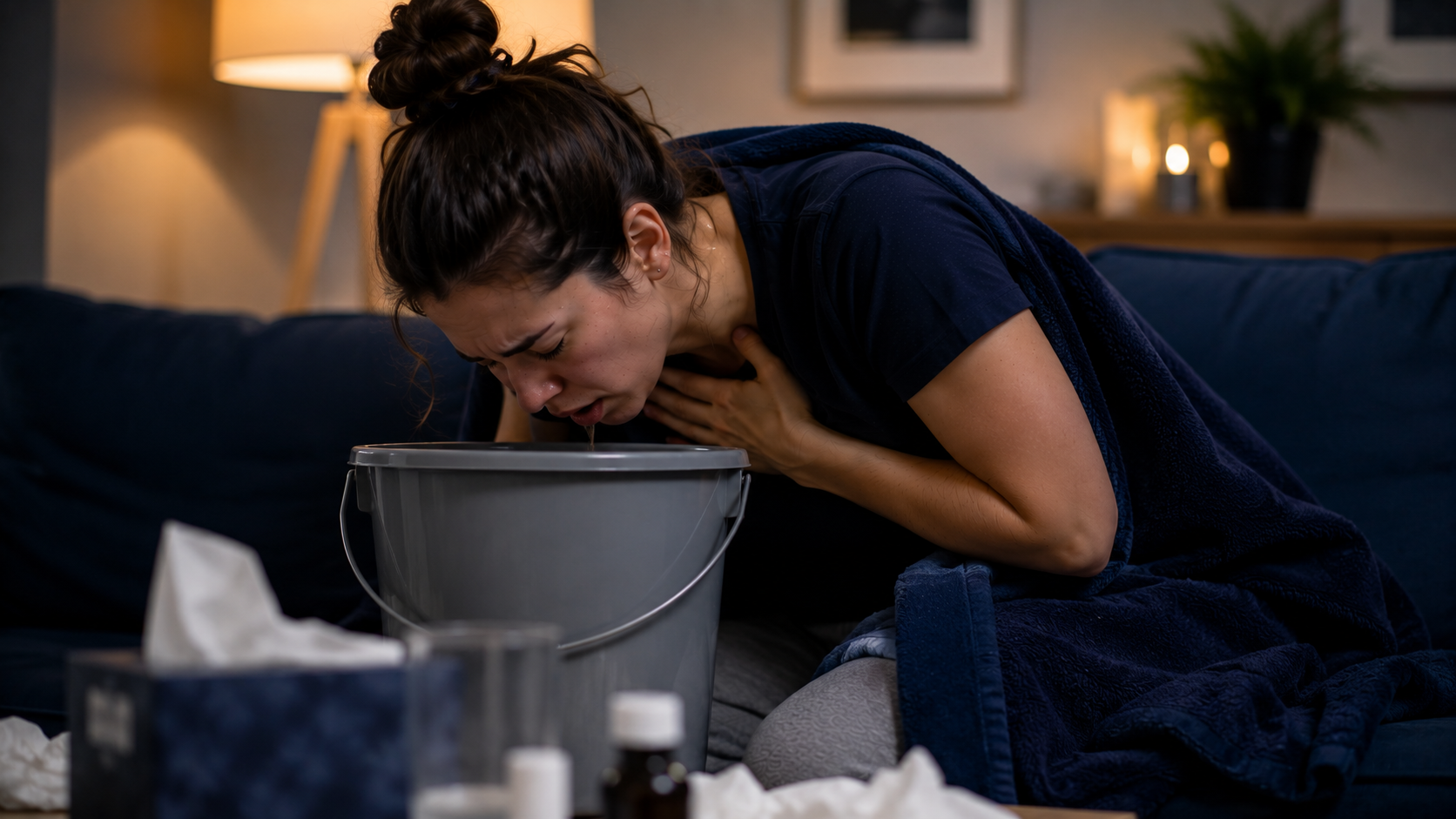
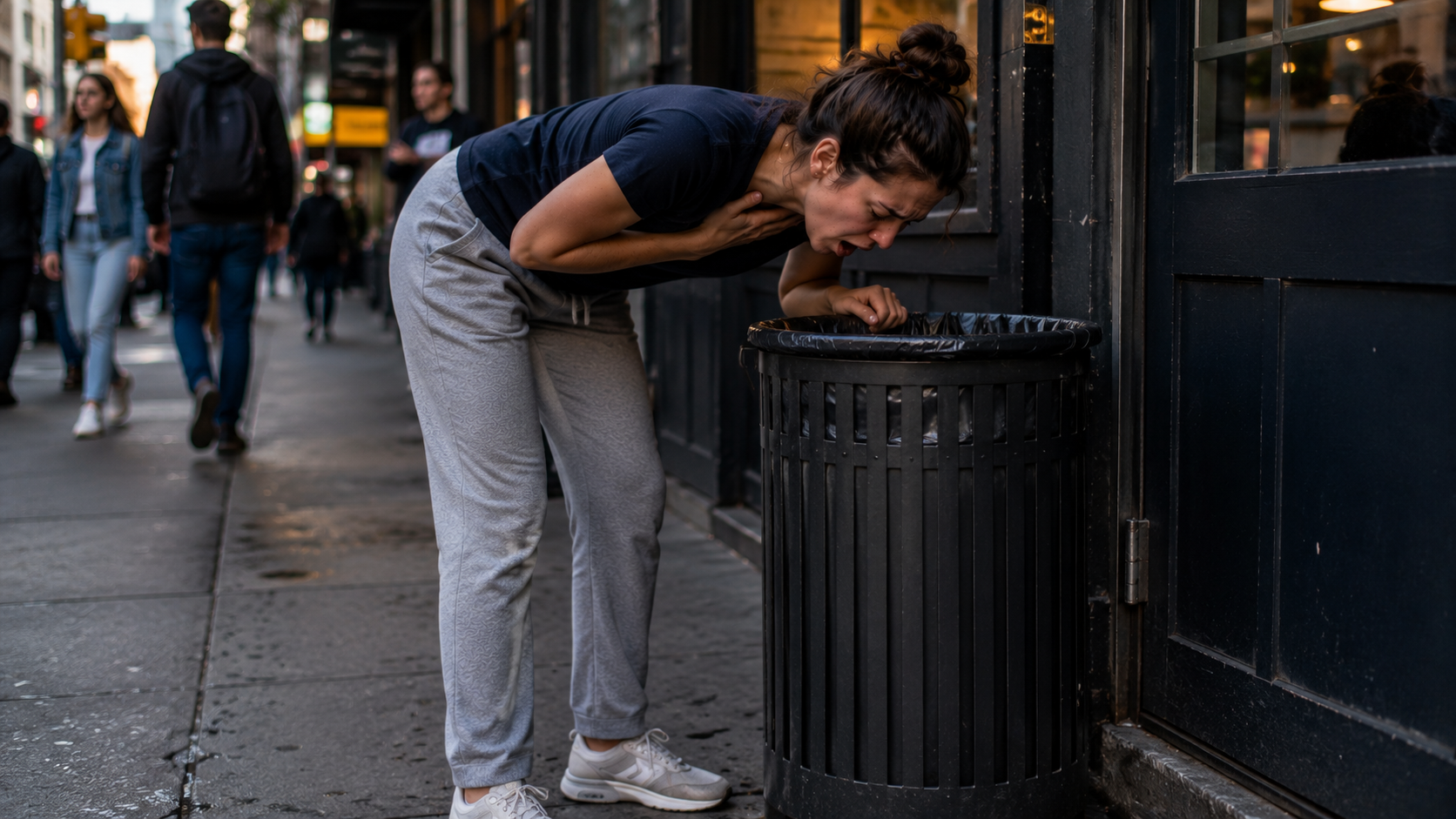
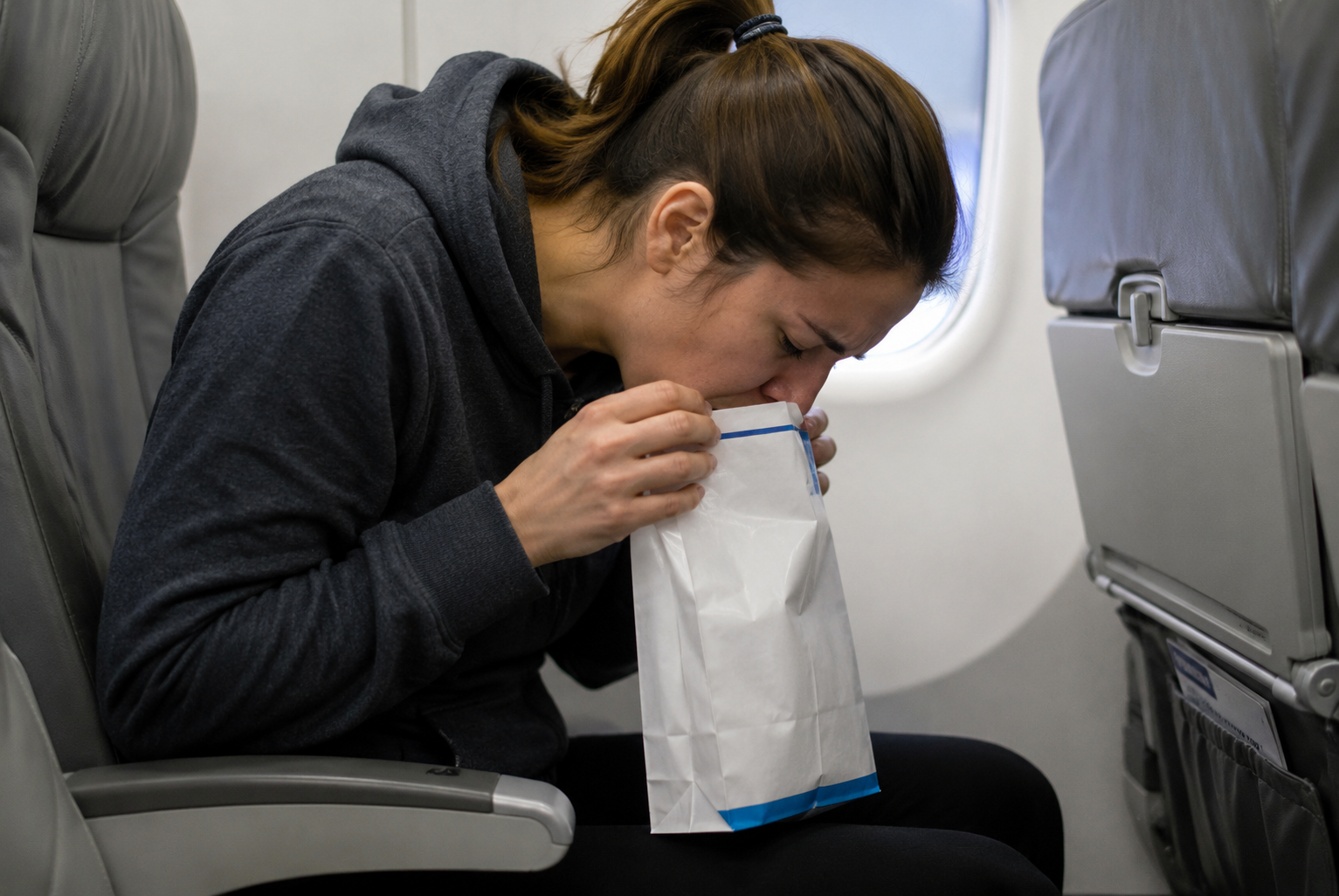
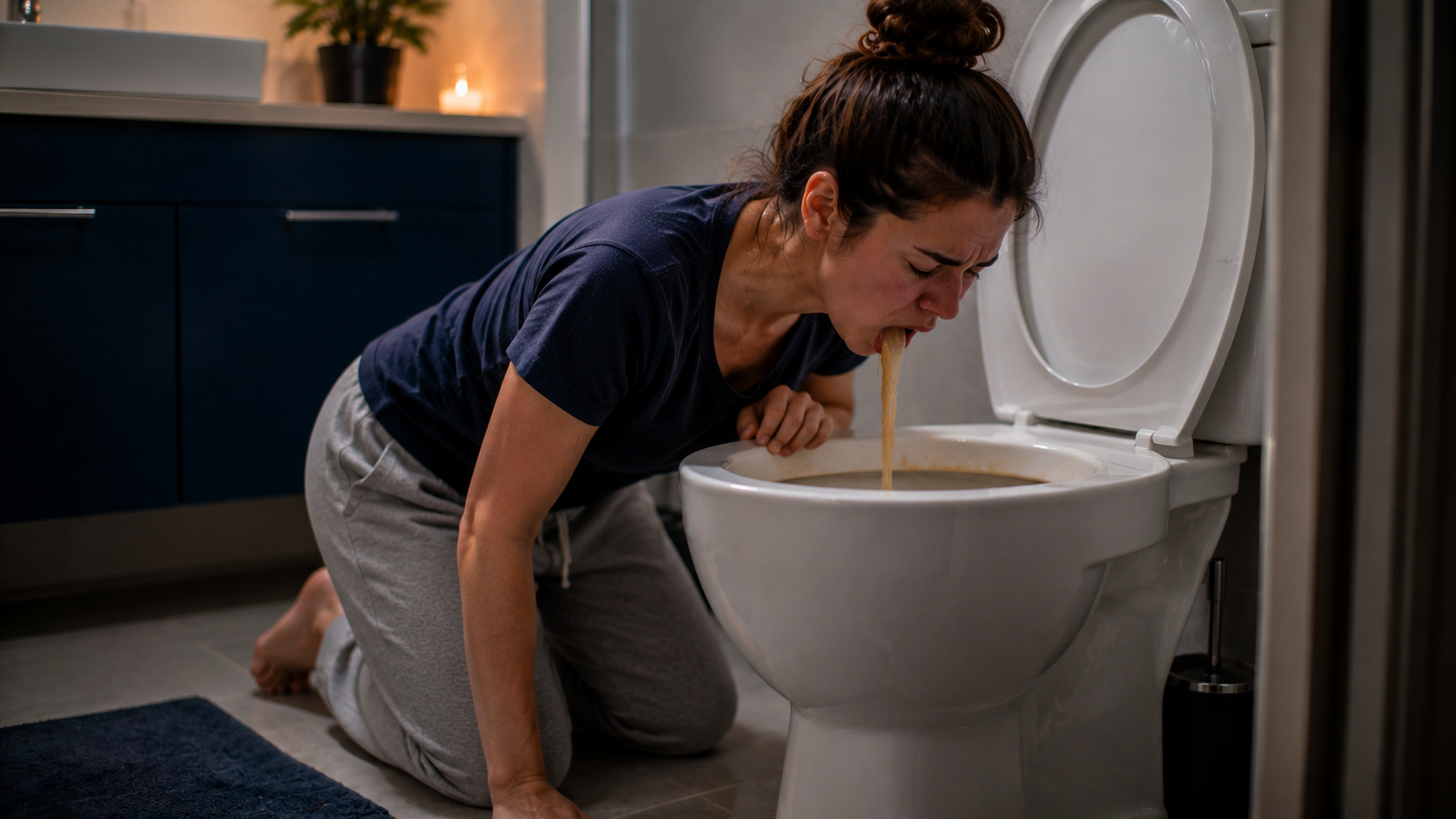
So, now you know cartoons are safe to watch, lets move onto real photographs. The next section will show photographs of people before they are sick, feeling nauseous and even over a toilet bowl but will not show any vomit.
Again, watch each one until bored and don’t use any safety behaviours.
Remind yourself that if cartoons are safe, why would photographs be any different. Both are just pictures. If you start to feel nauseous it is just because you are either anxious or your brain is activating your disgust response because it can’t tell the difference between a picture and something really happening.
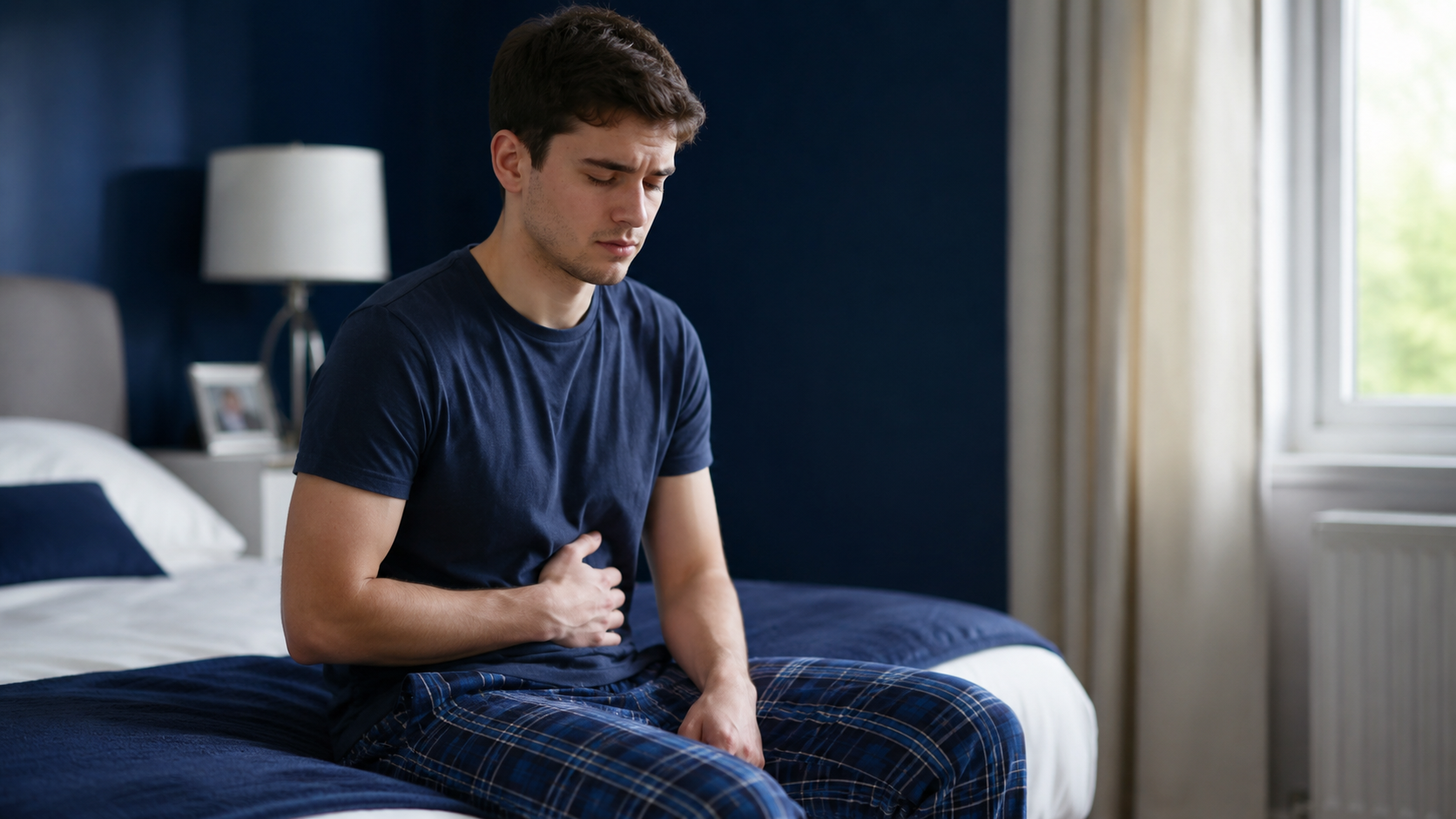


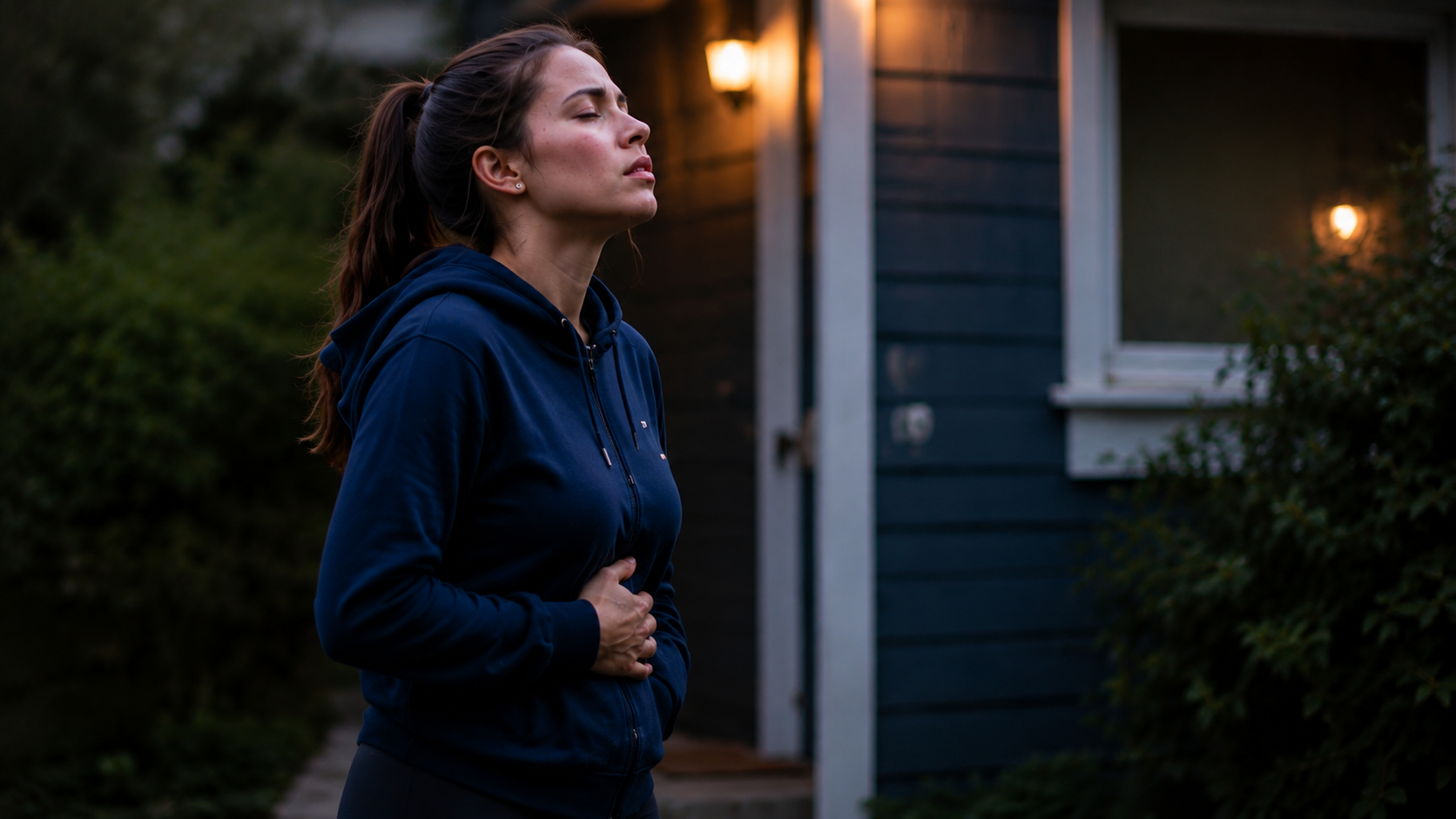
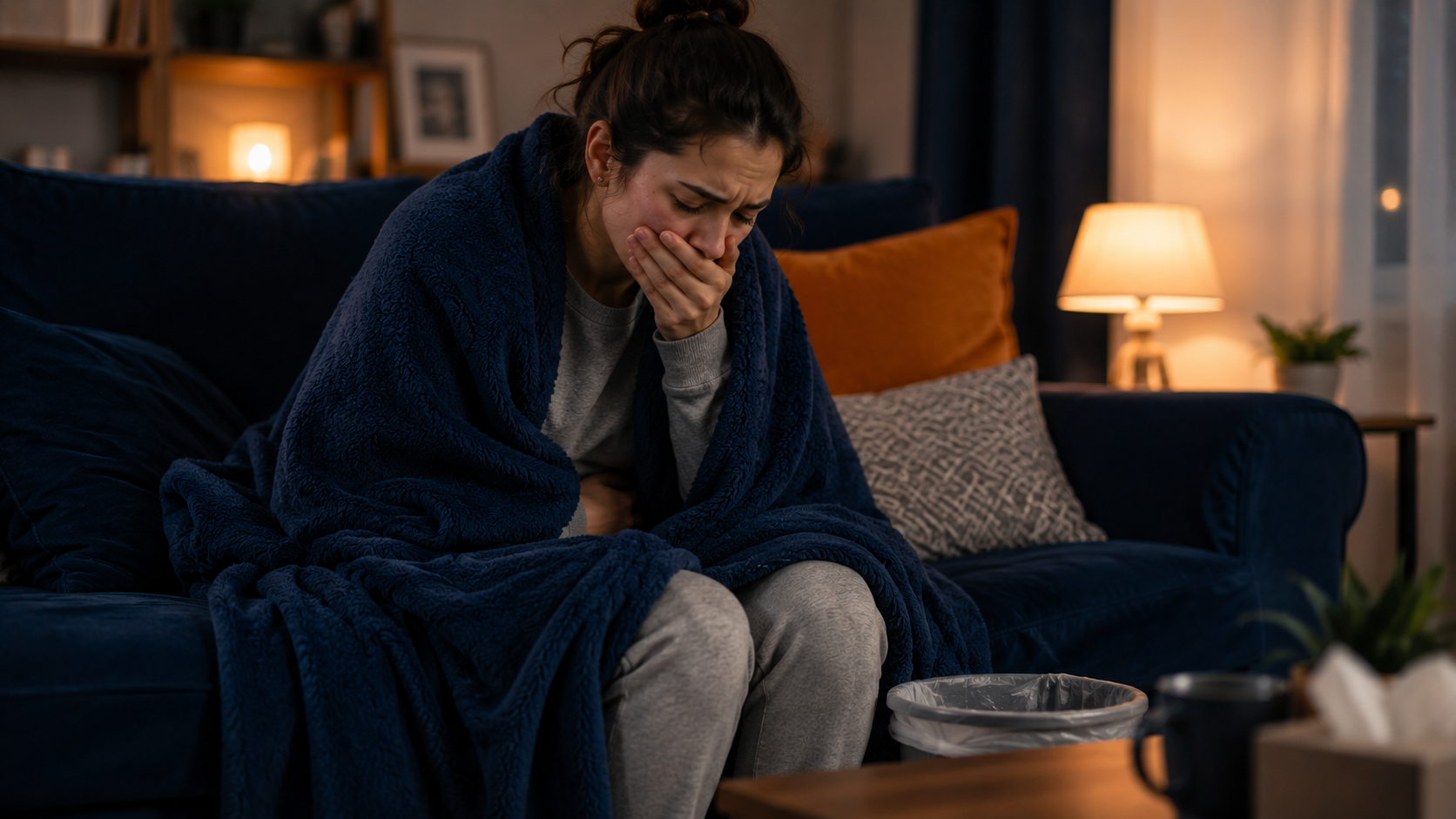
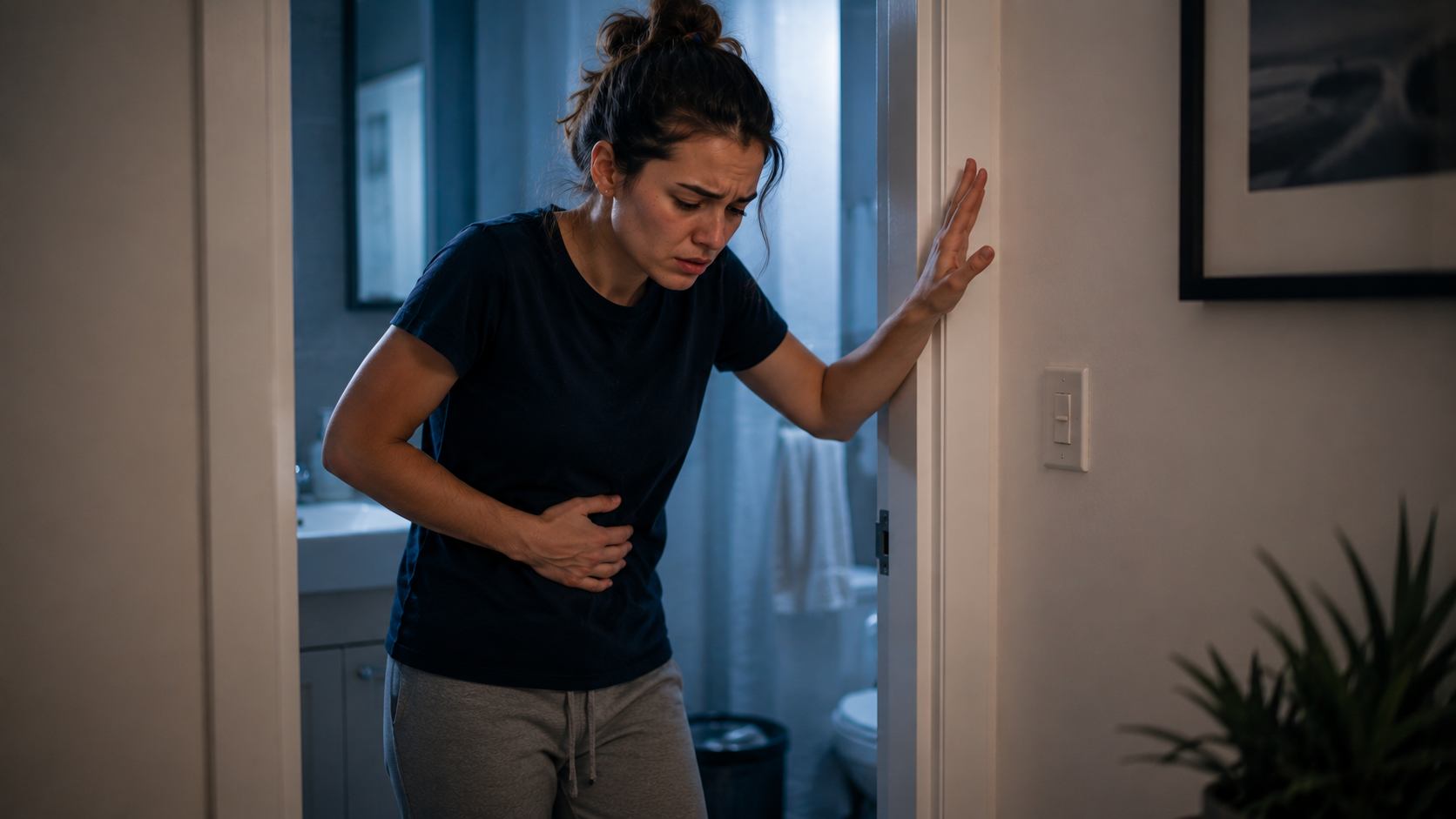
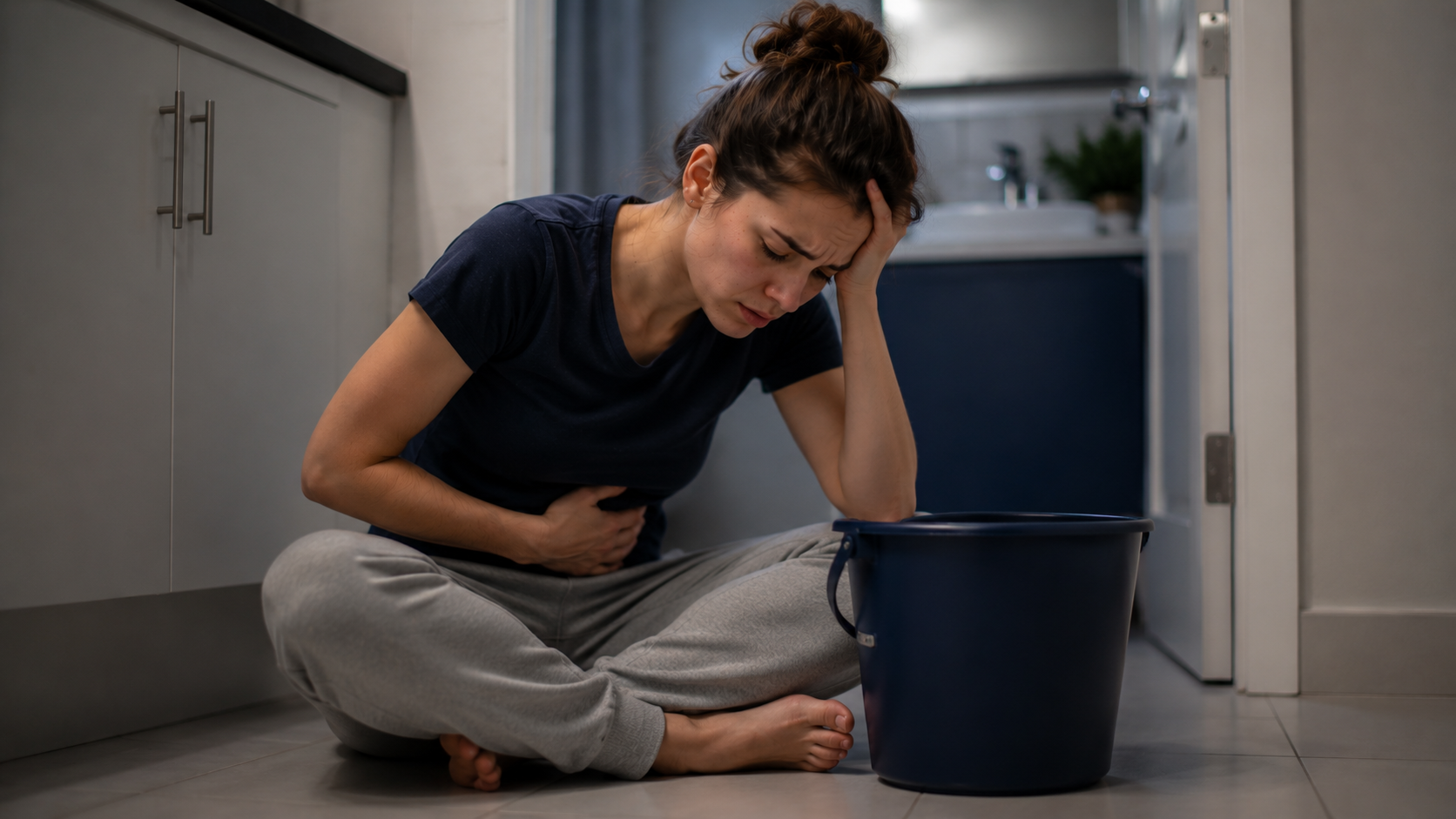
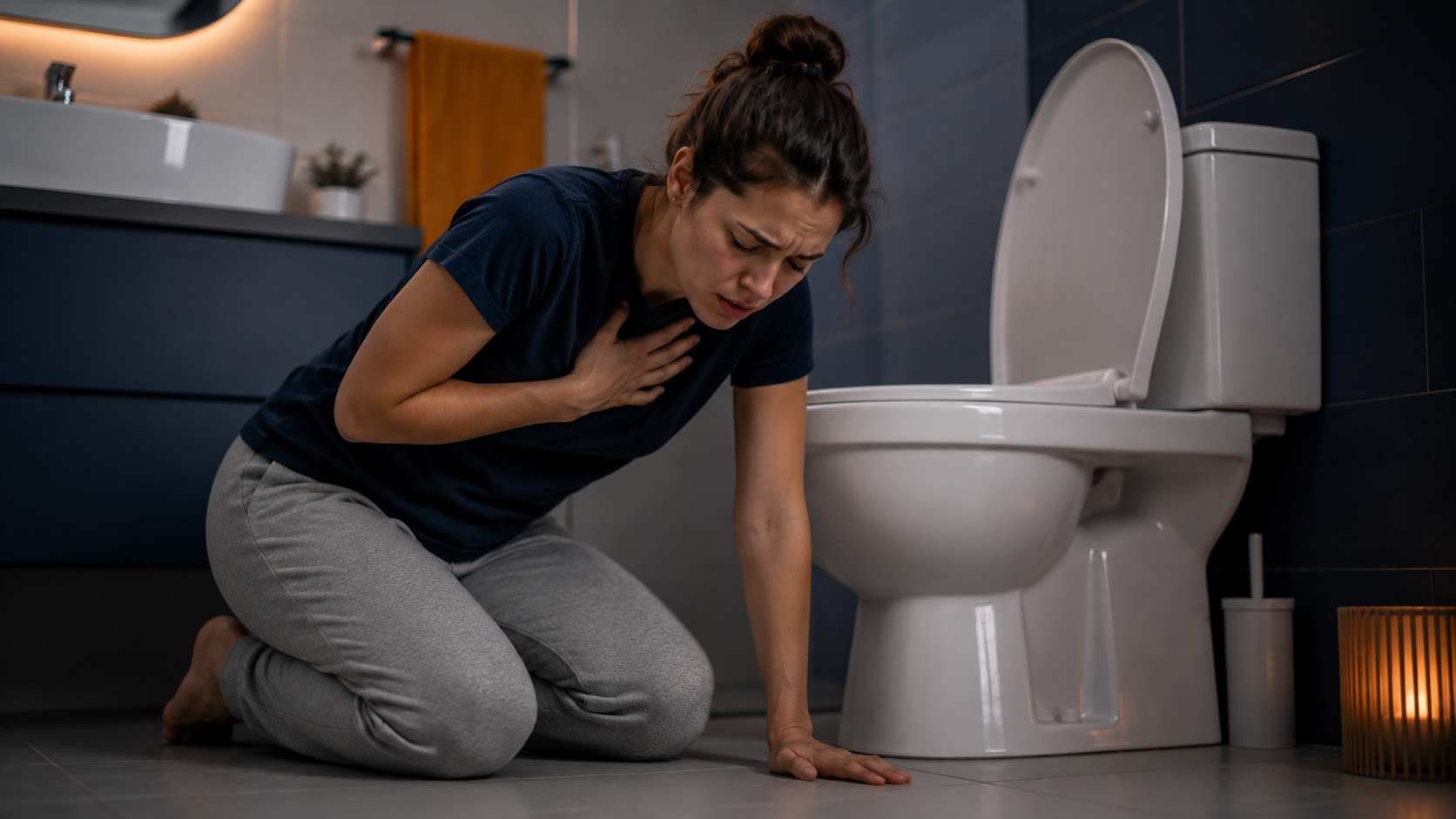
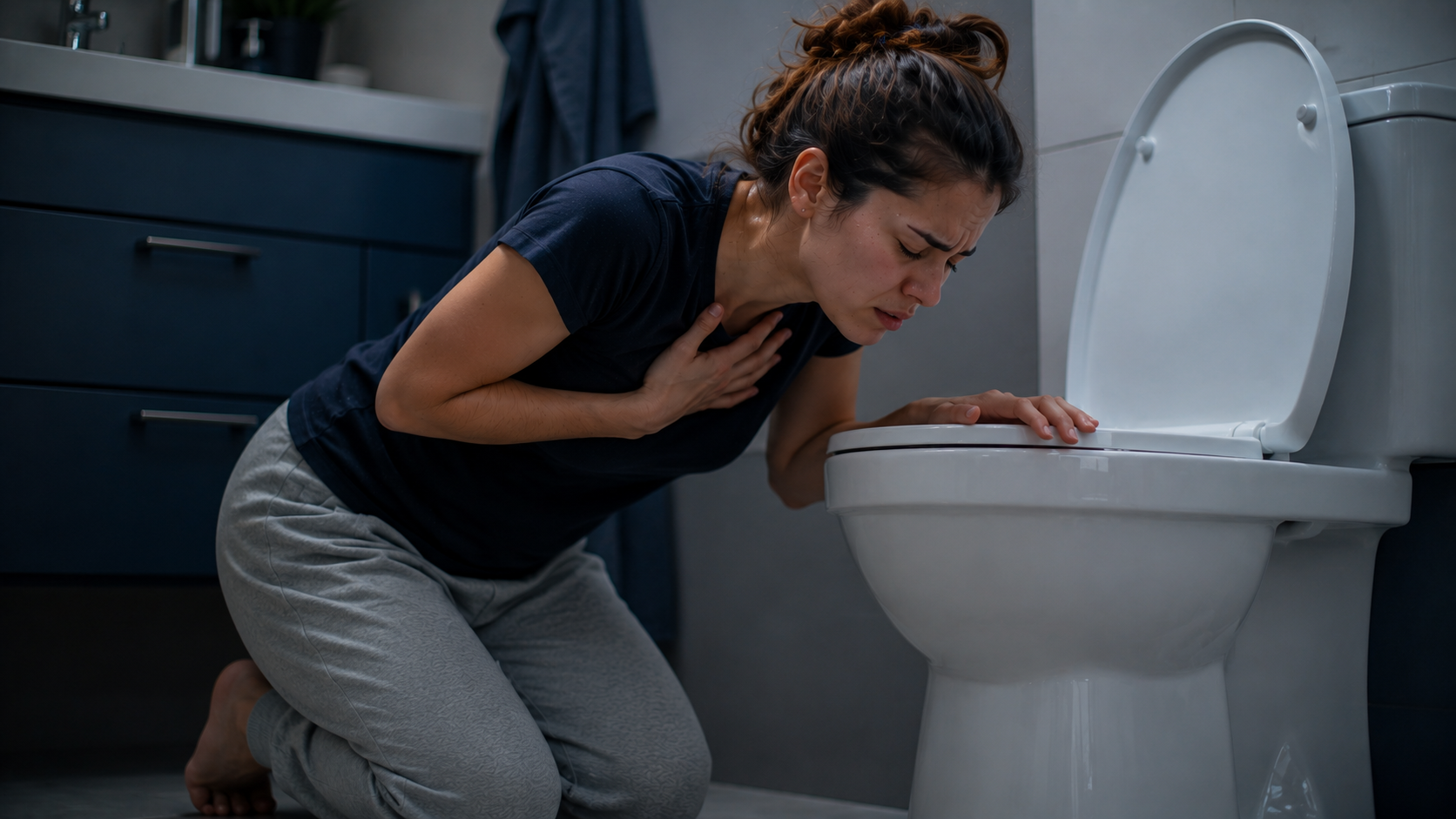
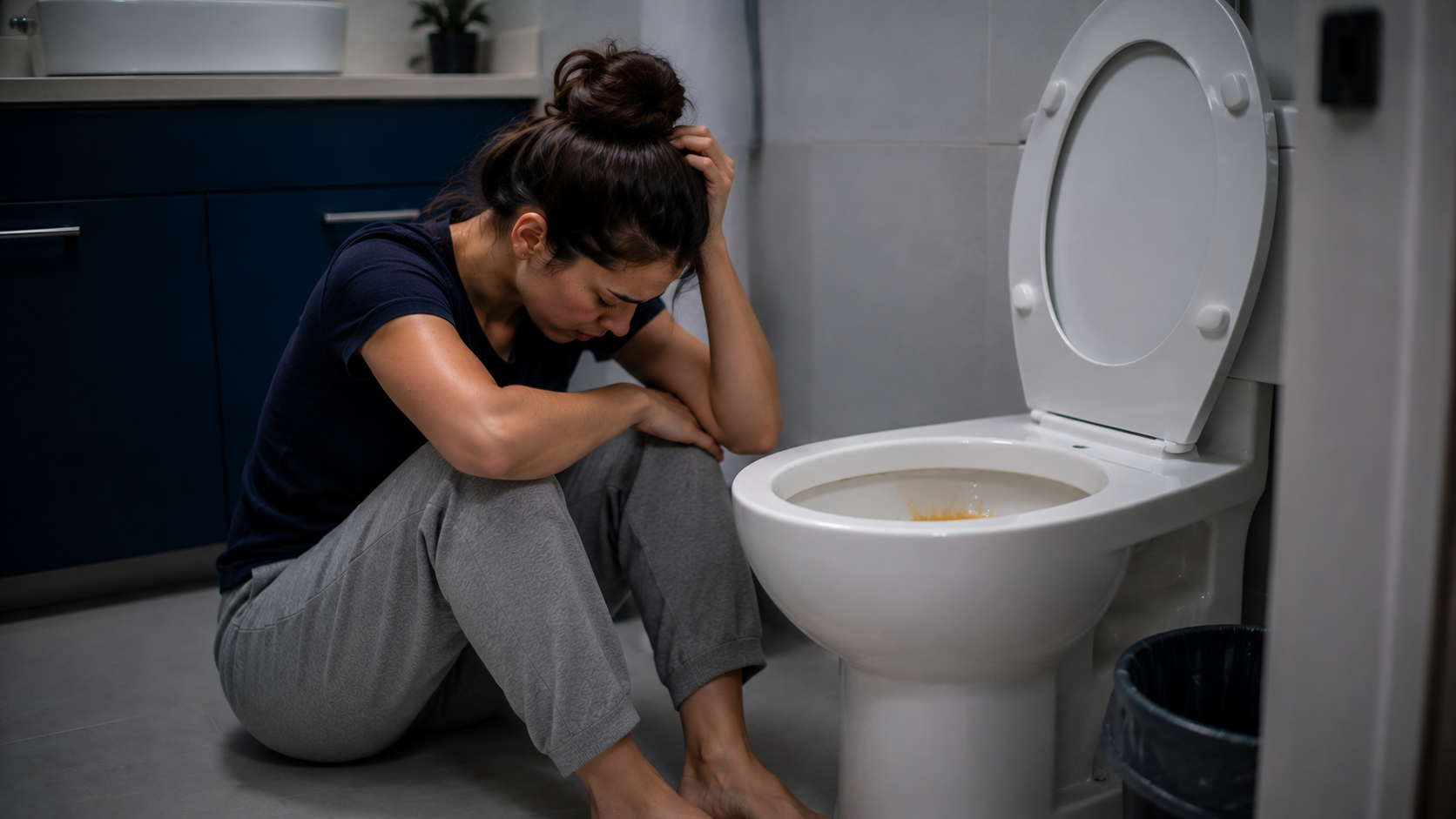
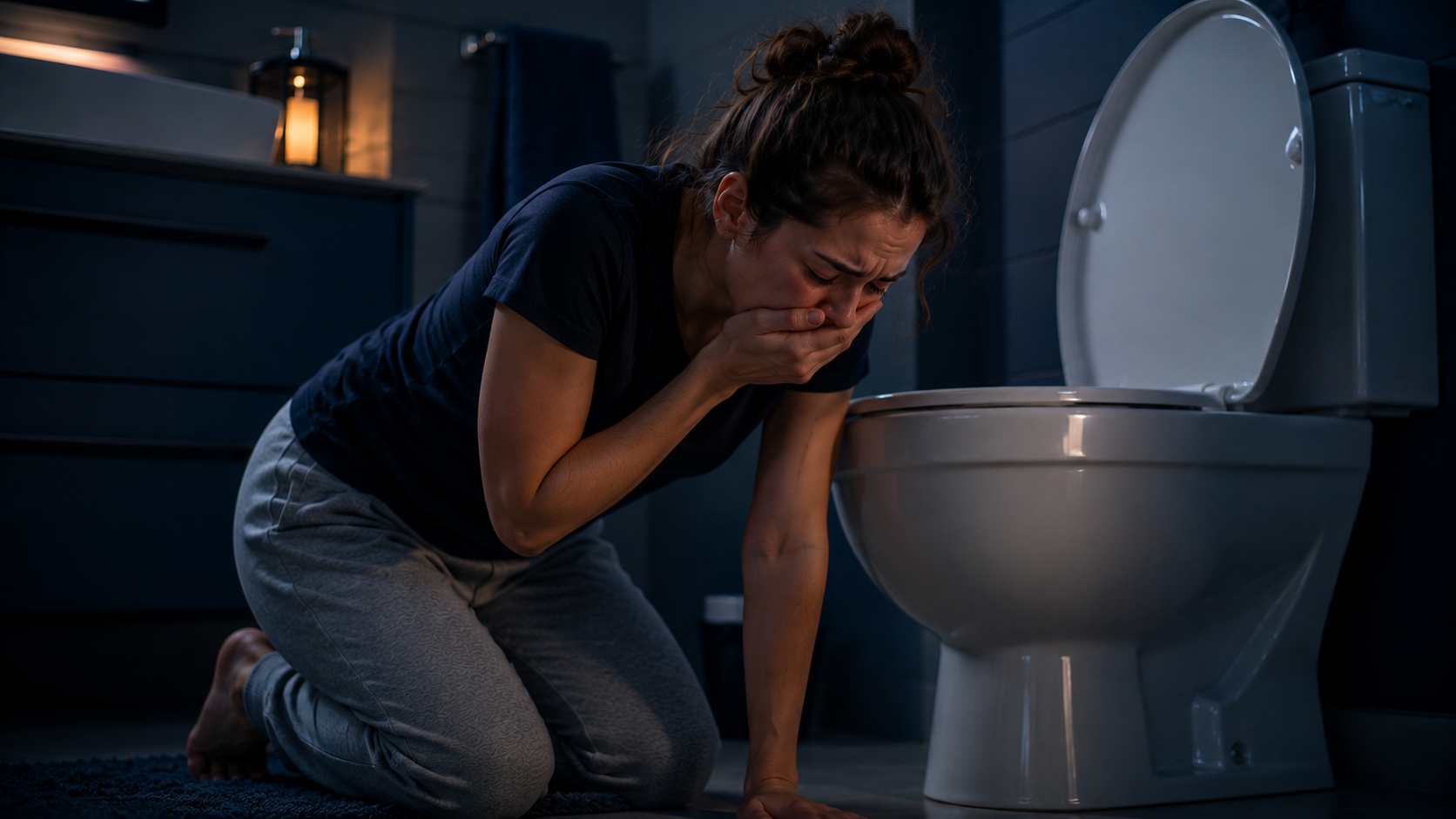

Another big well done on for looking at those pictures!
Learning:
After each experiment we need to reflect on what we have learnt from doing it by seeing if our predictions where correct or incorrect.
Anxious prediction 1 - You think it will cause you to be sick:
Based on your experience, what have you learnt about:
1) The real likelihood of your fears coming true compared to what your anxious mind wants you to believe.
2) What have you learnt about how safe or dangerous triggering images are?
3) What have you learnt about the need to avoid these types of images?
4) What have you learnt about the accuracy of using nausea as a predictor of a real problem?
Anxious prediction 2 - You think that you will become panicked, out of control and unable to cope:
You may have felt anxious but:
1) What have you learnt about tolerating, coping or better yet, accepting feelings of anxiety?
2) What have you learnt about how accurate (or not) your anxiety is about warning you of real danger?
3) Keep repeating this exercise until it doesn’t bother you any more.
Reflect on any other predictions you made.
Hopefully you learnt that just like cartoons, these more realistic images are still just pixels on a screen. They have no ability to harm you. So they don’t have to be feared.
Now what?
Based on what you have learnt, how are you going to react to images linked to vomiting in the future? Are you going to avoid them, or are you able to face them calmy because they are safe?
The next step: photographs of people vomiting
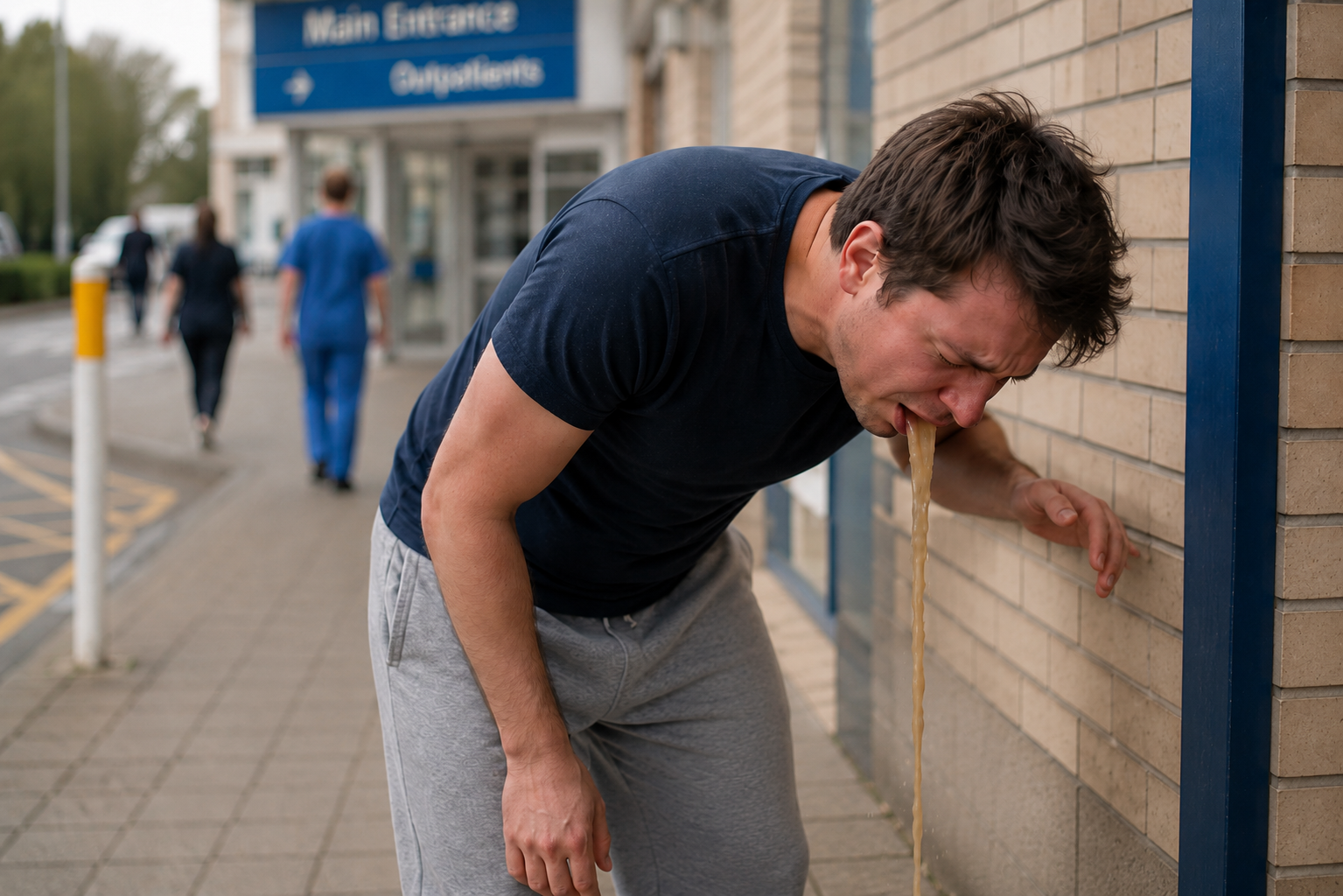
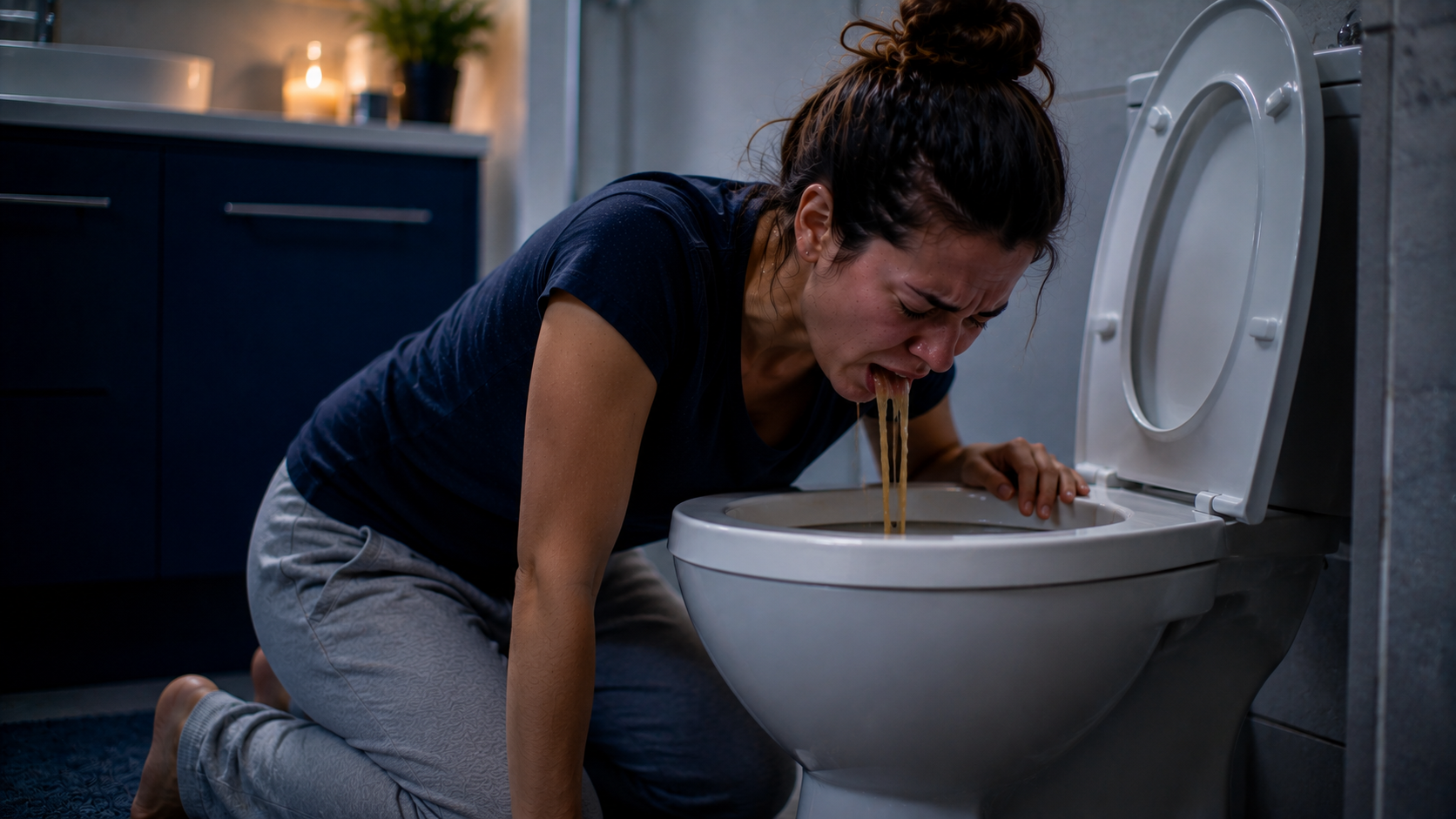
The next section will show photographs of people being sick. Again, watch each one until bored and don’t use any safety behaviours.
Remind yourself that if these pictures are nothing different than what you have already achieved. They are just pictures of something different. These images might trigger nausea, but again, remind yourself that nausea is not the problem, avoidance is.
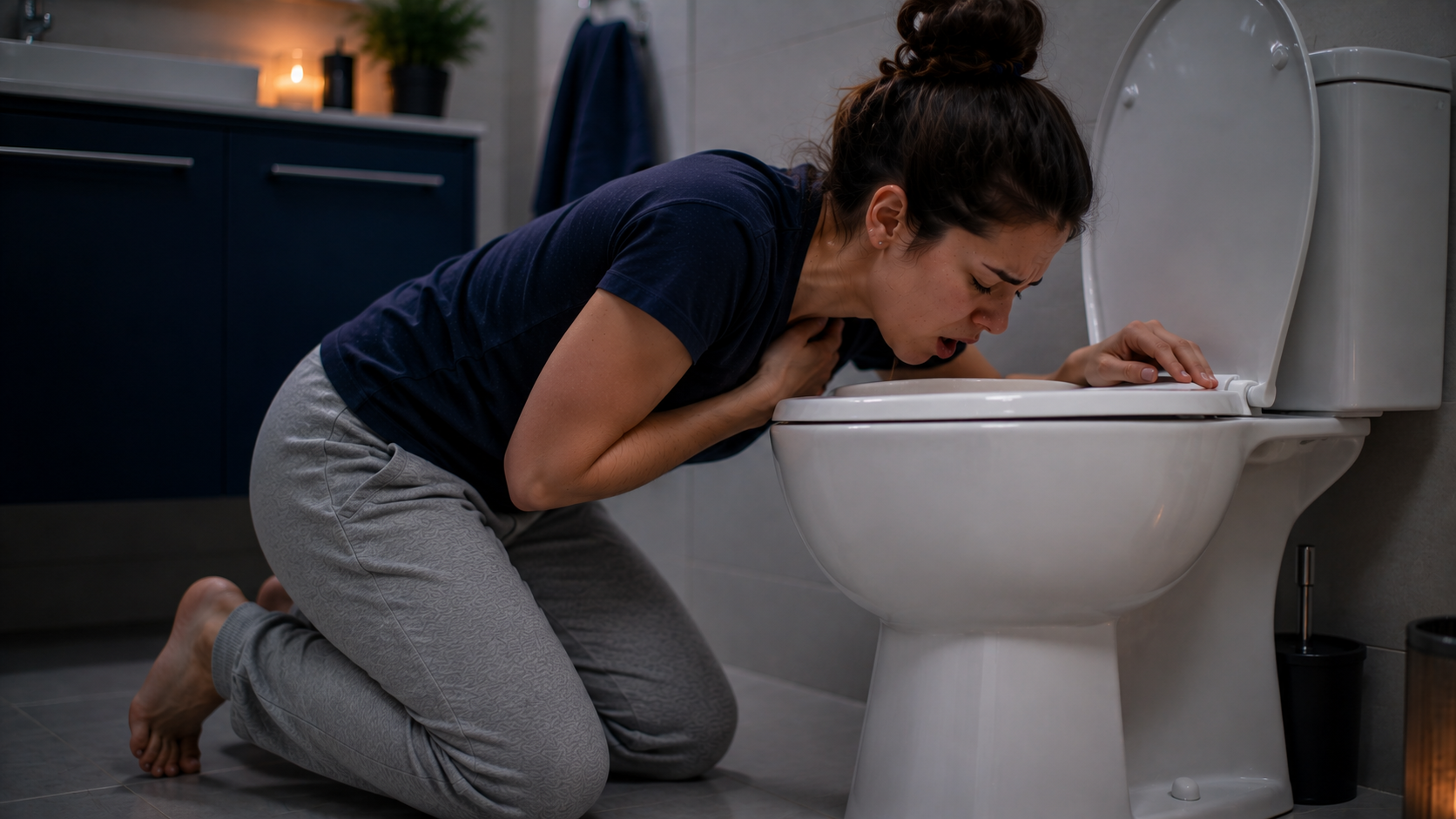





Wow, look at everything you are achieving!
Learning:
Lets reflect on what you have learnt:
Anxious prediction 1 - You think it will cause you to be sick:
Just like before, it is possible to have felt nauseous or even that you gagged, but the real question we are looking at is if this lead to being sick. Again, most likely not.
Based on this, what have you learnt about:
1) The real likelihood of your fears coming true compared to what your anxious mind wants you to believe.
2) What have you learnt about how safe or dangerous triggering images are?
3) What have you learnt about the need to avoid these types of images?
4) What have you learnt about the accuracy of using nausea as a predictor of a real problem?
Anxious prediction 2 - You think that you will become panicked, out of control and unable to cope:
Did you feel anxious? Probably. But, what happened the longer you did the task? It should have reduced once you realised that seeing these images doesn’t lead to being sick. Which is great. But also, what have you learnt about the ability to feel anxious and still make a choice to do something without having to push the anxiety away? Hopefully you have learnt that anxiety doesn’t have to be battled with or reduced to do things.
Based on this:
1) What have you learnt about tolerating, coping or better yet, accepting feelings of anxiety?
2) What have you learnt about how accurate or not your anxiety is about warning you of real danger?
3) Keep repeating this exercise until it doesn’t bother you any more.
Reflect on any other predictions you made.
Hopefully you learnt that even these types of images are still just pixels on a screen. They have no ability to harm you. So they don’t have to be feared.
Now what?
Based on what you have learnt, how are you going to react to images of vomiting in the future if they ever popped up randomly online? Are you going to avoid them, or are you able to face them calmy because they are safe?
The next step: Sounds
So up to know we have worked on your visual cortex (the part of your brain for vision), now it is time to work on your auditory cortex (the part of the brain for sounds).
The next section will play sounds on a loop. These might not be pleasant to listen too. Even people without Emetophobia wouldn’t see this as a nice thing to do. But it is important to be able to hear sounds and realise they even though they are unpleasant, they are safe. When listening, really imagine what is happening. Again, listen to each one until bored and don’t use any safety behaviours.
The point is to test out two ideas:
Anxious prediction 1 - You think it will cause you to be sick.
Anxious prediction 2 - You think that you will become panicked, out of control and unable to cope.
Consider any other predictions you have before starting.
Sounds played on a loop:
Gagging sounds:
Retching sounds:
Gagging and retching
Sound of liquid in a toilet (no vomiting sounds):
Man vomiting:
Well done. With each step, you are moving that much closer to recovery!
Learning:
What have you learnt about the safety of sounds:
Anxious prediction 1 - You think it will cause you to be sick:
Just like before, it is possible to have felt nauseous or even that you gagged, but the real question we are looking at is if this lead to being sick. Again, most likely not.
Based on this, what have you learnt about:
1) The real likelihood of your fears coming true compared to what your anxious mind wants you to believe.
2) What have you learnt about how safe or dangerous triggering sounds are?
3) What have you learnt about the need to avoid these types of sounds?
4) What have you learnt about the accuracy of using nausea as a predictor of a real problem?
Anxious prediction 2 - You think that you will become panicked, out of control and unable to cope:
Did you feel anxious? Probably. But, what happened the longer you did the task? It should have reduced once you realised that listening to these sounds don’t lead to being sick. Which is great. But also, what have you learnt about the ability to feel anxious and still make a choice to do something without having to push the anxiety away? Hopefully you have learnt that anxiety doesn’t have to be battled with or reduced to do things.
Based on this:
1) What have you learnt about tolerating, coping or better yet, accepting feelings of anxiety?
2) What have you learnt about how accurate or not your anxiety is about warning you of real danger?
3) Keep repeating this exercise until it doesn’t bother you any more.
Reflect on any other predictions you made.
Hopefully you learnt that sounds are just noises. They have no ability to harm you. So they don’t have to be feared.
Now what?
Based on what you have learnt, how are you going to react to scenes of TV or if you ever hear someone be sick? Are you going to avoid the sounds, or are you able to face them calmy because the sound of something being sick has no ability to harm you?
The next step: photographs of people before vomiting
So, we have worked both your visual and auditory cortex (the parts of the brain for images sounds) separately. Now lets work them both together.
To do this we are going to watch some videos of people being sick. Starting with easier videos and moving on to harder ones when you feel ready.
Even those without emetophobia might find this unpleasant, so expect to feel a bit disgusted. This might produce nausea. But remember this is the point of your disgust response. It reacts to perceived contamination and sickness. However, remember that your body is reacting as if the videos on the screen are really happening and pose a risk of contamination so is only producing this nausea to get you to avoid it. However, as it is just a video there is no real danger. You can safely ignore both your anxiety and nausea because you are in fact safe.
Again, watch each video until bored and don’t use any safety behaviours. You may need to replay the video. On some devices you may be able to click the settings icon of the video and click auto-repeat.
The point is to test out two ideas:
Anxious prediction 1 - You think it will cause you to be sick.
Anxious prediction 2 - You think that you will become panicked, out of control and unable to cope.
Consider any other predictions you have before starting.
Exposure videos
Woman retching and briefly throwing up off camera:
Pre teen throwing up
Man vomiting a few times:
Woman throwing up on the ground

Scene from the comedy film bridesmaids. Contains scenes of food poisoning, diarrhoea and vomiting from multiple cast members:

Woman throwing up on the ground (f word used)

Teenager throwing up on the ground and laughing

Man making himself throw up
Well done for going through those!
Learning:
After each experiment we need to reflect on what we have learnt from doing it by seeing if our predictions where correct or incorrect.
Anxious prediction 1 - You think it will cause you to be sick:
Just like before, it is possible to have felt nauseous or even that you gagged, but the real question we are looking at is if this lead to being sick. Again, most likely not.
Based on this, what have you learnt about:
1) The real likelihood of your fears coming true compared to what your anxious mind wants you to believe.
2) What have you learnt about how safe or dangerous triggering videos are?
3) What have you learnt about the need to avoid these types of videos?
4) What have you learnt about the accuracy of using nausea as a predictor of a real problem?
Anxious prediction 2 - You think that you will become panicked, out of control and unable to cope:
Did you feel anxious? Probably. But, what happened the longer you did the task? It should have reduced once you realised that seeing these vidoes doesn’t lead to being sick. Which is great. But also, what have you learnt about the ability to feel anxious and still make a choice to do something without having to push the anxiety away? Hopefully you have learnt that anxiety doesn’t have to be battled with or reduced to do things.
Based on this:
1) What have you learnt about tolerating, coping or better yet, accepting feelings of anxiety?
2) What have you learnt about how accurate or not your anxiety is about warning you of real danger?
3) Keep repeating this exercise until it doesn’t bother you any more.
Reflect on any other predictions you made.
Hopefully you learnt that videos are just pixels and sounds on a screen. They have no ability to harm you. So they don’t have to be feared.
Now what?
Based on what you have learnt, how are you going to react to TV shows, social media videos or any other content linked to vomiting in the future? Are you going to avoid them, or are you able to face them calmy because they are safe?
Next steps:
If you notice you still avoid any other trigger content such as conversations, smells, memories or places etc, face them using the same approach to test out if avoidance is necessary or not.

Next: Reducing reassurance seeking
Okay we are finished with helping reduce avoidance around trigger content. Hopefully, this has helped your Emetophobia and will help you react differently to this type of content in the future. However, this is just one small piece of the puzzle to overcoming Emetophobia. There is still work to do. Let’s now move onto reducing the safety behaviour of reassurance seeking.
Ready for the next step? Click the button.


Think you need 1:1 support to overcome your emetophobia?.
Get therapy from someone who truly understands emetophobia
Finding a therapist who understands emetophobia can be surprising difficult.
I’m David Kaneria, a BABCP accredited CBT therapist who specialises exclusively in treating emetophobia.
I’ve dedicated my career to learning about this condition, treating people with emetophobia and helping other therapist understand how to treat it effectively.
I’ve also written a textbook specifically about treating emetophobia.
David Kaneria
BABCP Accredited CBT therapist & Emetophobia specialist.