

Psychological Wellbeing Practitioner (PWP) Self-Care: Preventing Burnout and Looking After Your Wellbeing
PWP Self-Care
You Matter
Learn how to identify and reduce burn out.

Why Self-Care Matters for Psychological Wellbeing Practitioners (PWPs)
Working as a Psychological Wellbeing Practitioner (PWP) can be incredibly rewarding, but it also comes with its own unique challenges which many are not prepared for when applying for the role.
PWPs on a day basis, support people experiencing anxiety, depression, stress, and other common mental health difficulties, and often while managing demanding caseloads, service targets, and emotional pressures of their own. Over time, these demands can lead to stress, fatigue, and even Psychological Wellbeing Practitioner burnout.
This makes prioritising your own mental health equally important as helping others. It is an essential part of the role, which is overlooked will shorten your career in no time. Without it, you will most likely have lower job satisfaction, more sick days, increased stress and less work-life balance. So looking after yourself is the first step in ensuring you are able to provide the highest quality care to your patients.
Whether you are a newly qualified Psychological Wellbeing Practitioner, an experienced low intensity therapist developing healthy self-care habits can make a significant difference to your wellbeing. Small changes, such as taking regular breaks, making use of supervision, seeking peer support, and maintaining boundaries between work and personal life, can help protect against stress and emotional exhaustion.
Below, you'll find practical self-care tips for Psychological Wellbeing Practitioners designed to support your wellbeing, reduce work-related stress, and help you thrive both professionally and personally.

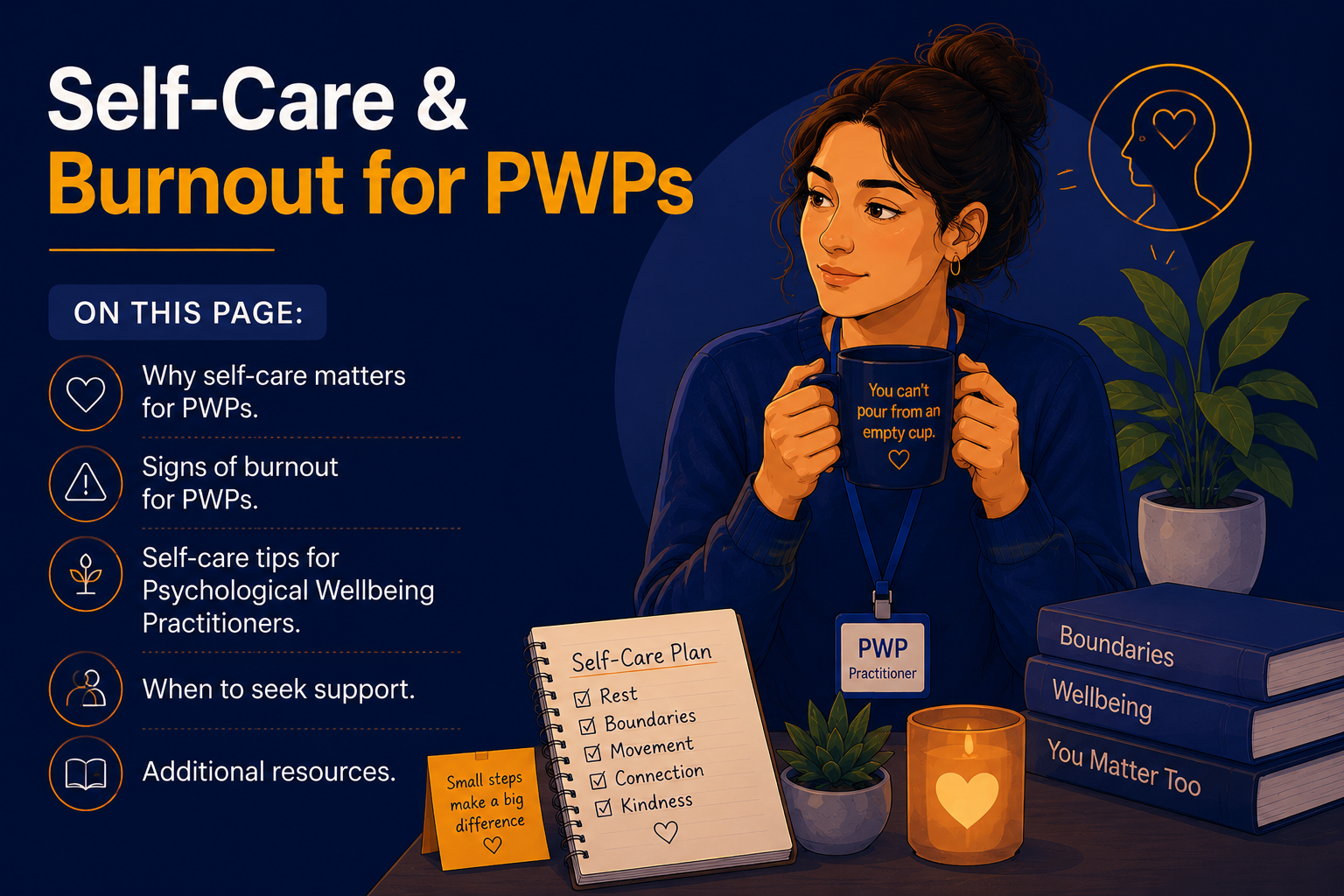
Signs of Burnout in Psychological Wellbeing Practitioners (PWPs)
Emotional Exhaustion
One of the most common signs of burnout in Psychological Wellbeing Practitioners is emotional exhaustion. You may feel mentally drained at the end of the day, struggle to recharge after work, or find that even routine tasks require significant effort. Over time, this can reduce your ability to engage fully with patients and enjoy your work.
Physical Symptoms of Burnout
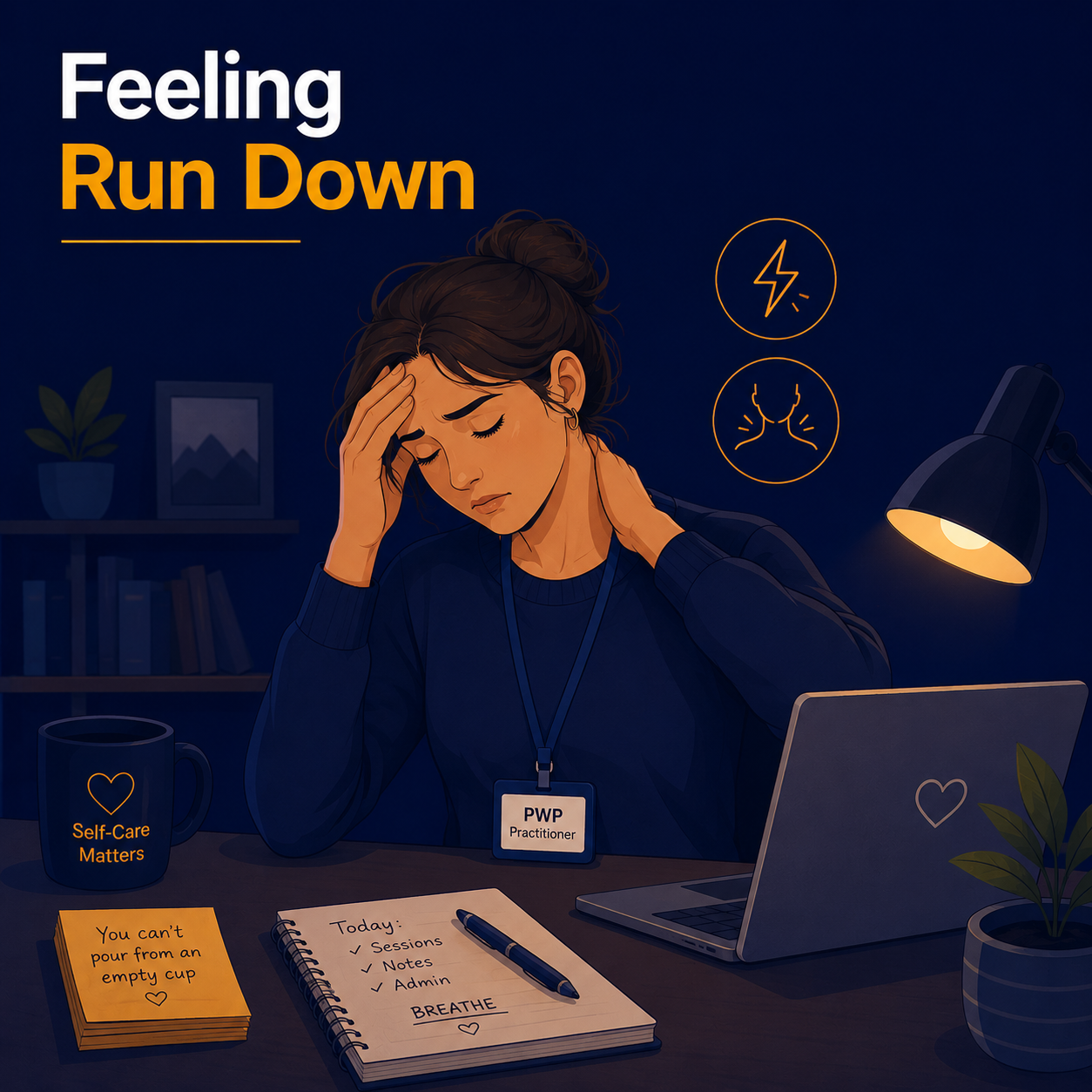
Burnout does not just affect your mental wellbeing; it can also impact your physical health. Common symptoms include headaches, muscle tension, fatigue, poor sleep, digestive issues, and frequent illnesses. When stress remains high for prolonged periods, the body often starts to show the strain.
Reduced Performance and Difficulty Meeting Targets
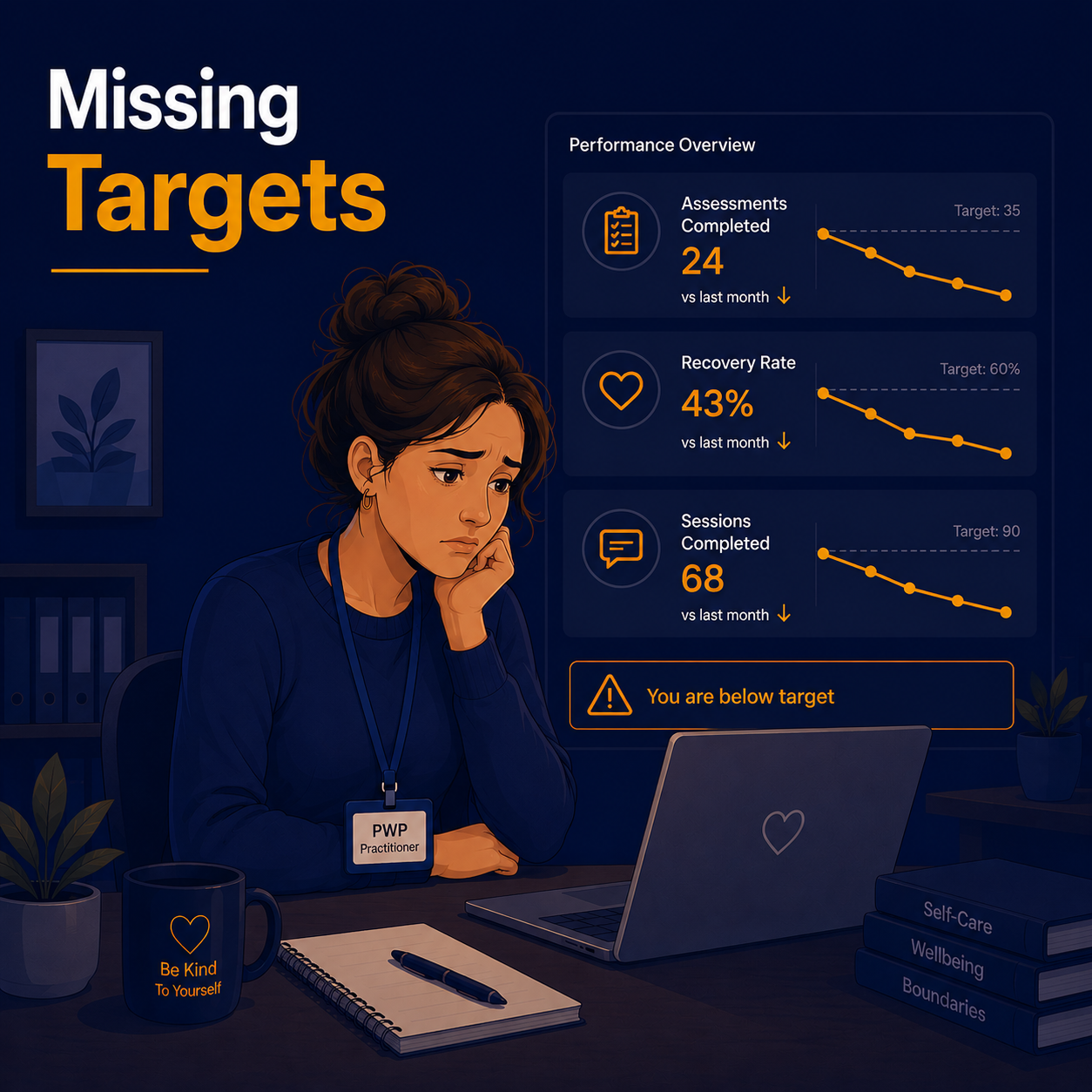
If you find yourself struggling to meet service targets or maintain the standard of work you would usually expect from yourself, burnout may be a contributing factor. Reduced concentration, low motivation, and mental fatigue can all affect performance.
Not Wanting to Come Into Work
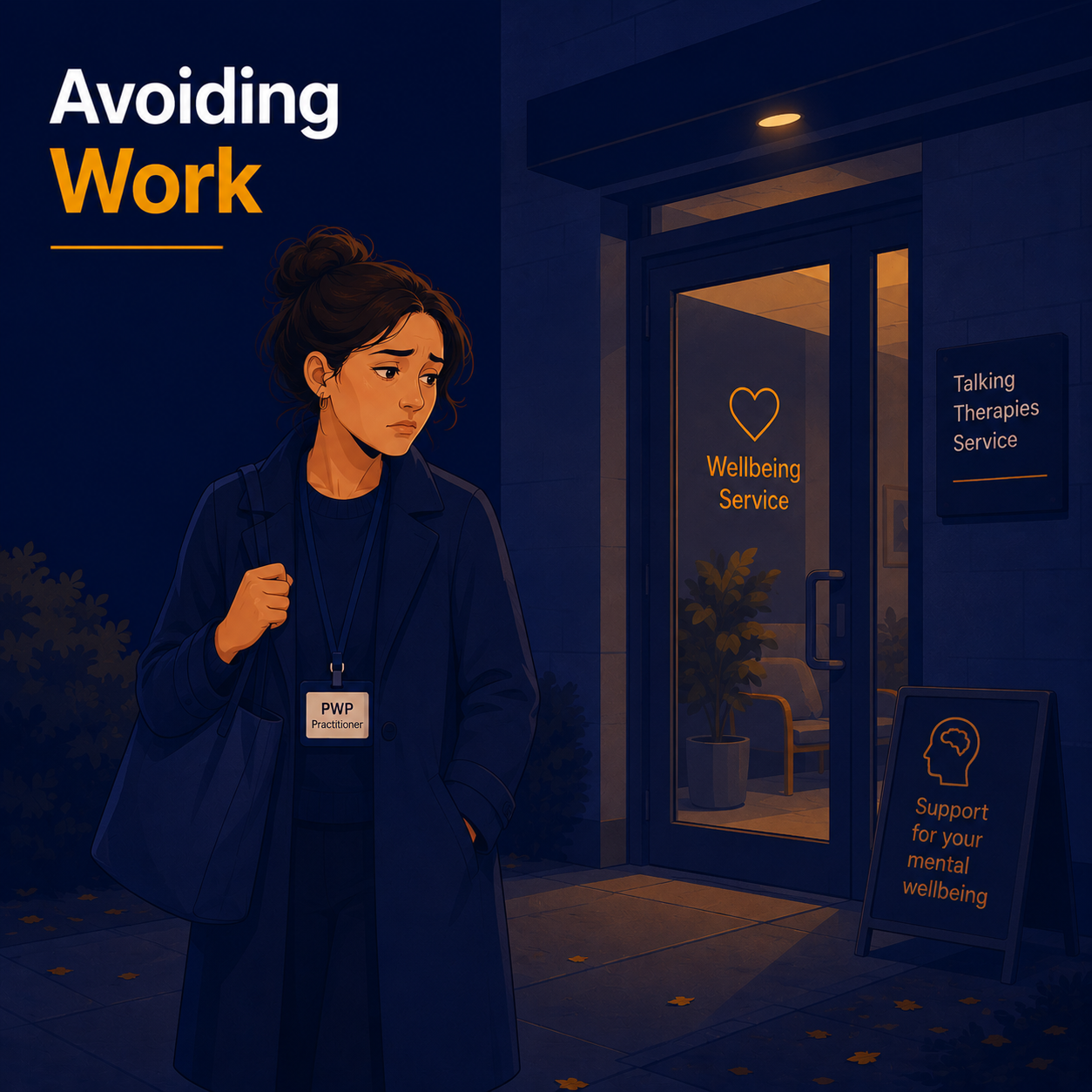
Everyone has difficult days, but consistently dreading work or feeling a strong desire to avoid coming in can be a warning sign. Burnout can make even a role you once enjoyed feel overwhelming and emotionally demanding.
Dreading Your Appointments
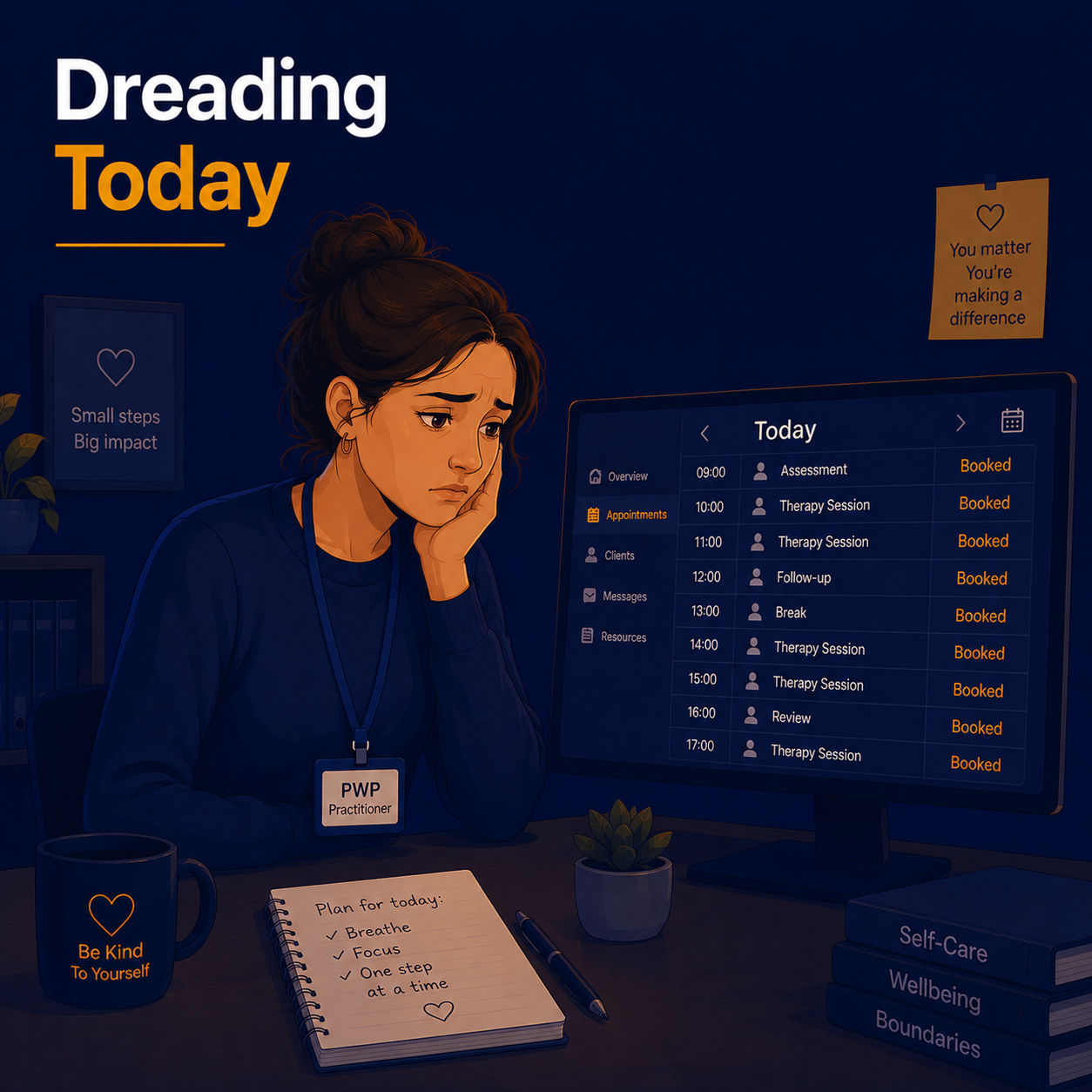
Feeling anxious or overwhelmed when looking at your diary for the day can indicate that your emotional resources are becoming depleted. You may notice yourself worrying about appointments, feeling less confident, or wishing sessions would be cancelled.
No Longer Looking Forward to Supervision
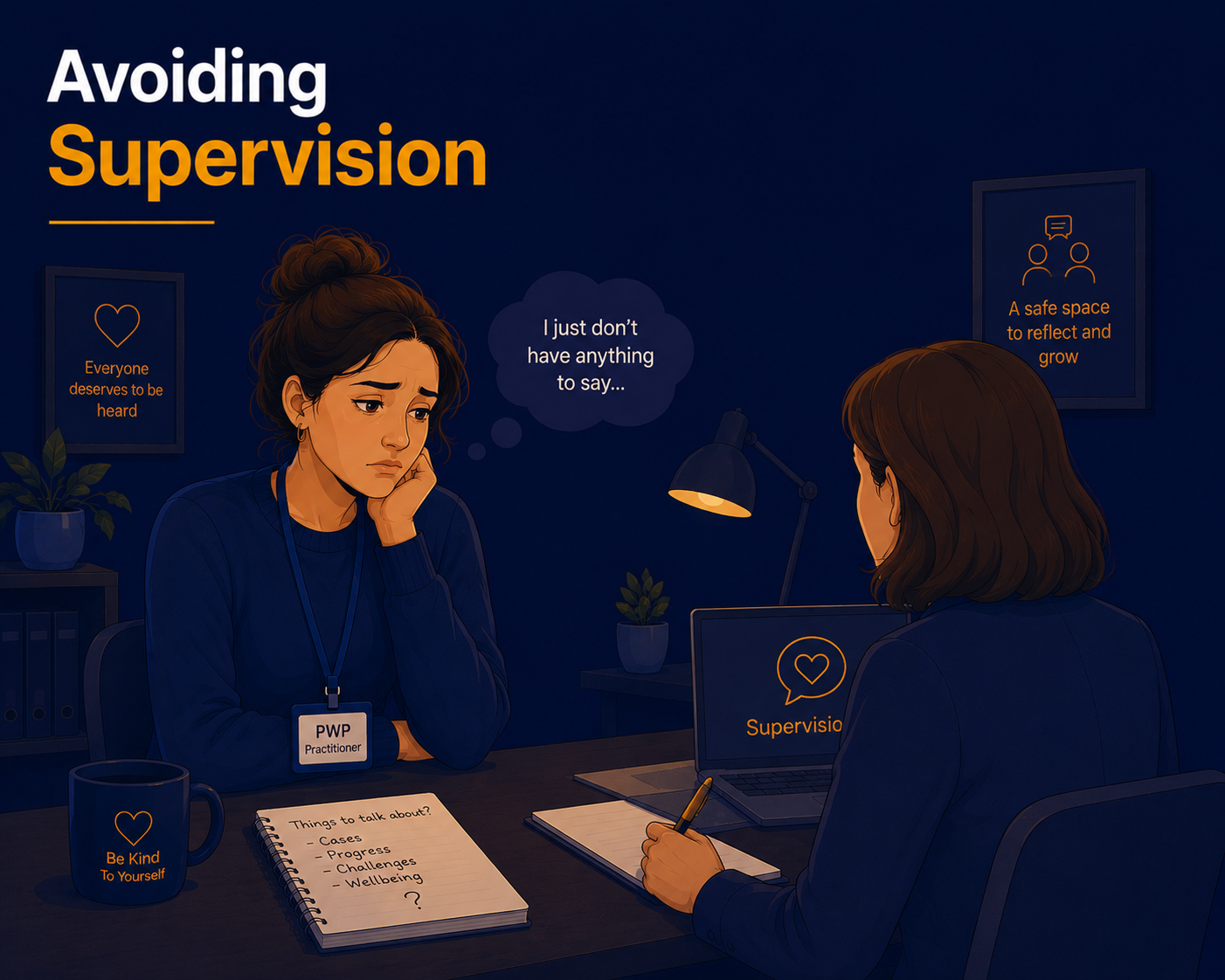
Supervision is designed to provide support, reflection, and professional development. If you find yourself avoiding supervision, feeling defensive, or viewing it as another burden rather than a source of support, it may be worth reflecting on your current wellbeing.
Increased Negative Self-Talk
Burnout often leads to harsher self-criticism. You may find yourself focusing on perceived mistakes, questioning your competence, or feeling like you are not doing enough despite working hard. This negative self-talk can further contribute to stress and low mood.

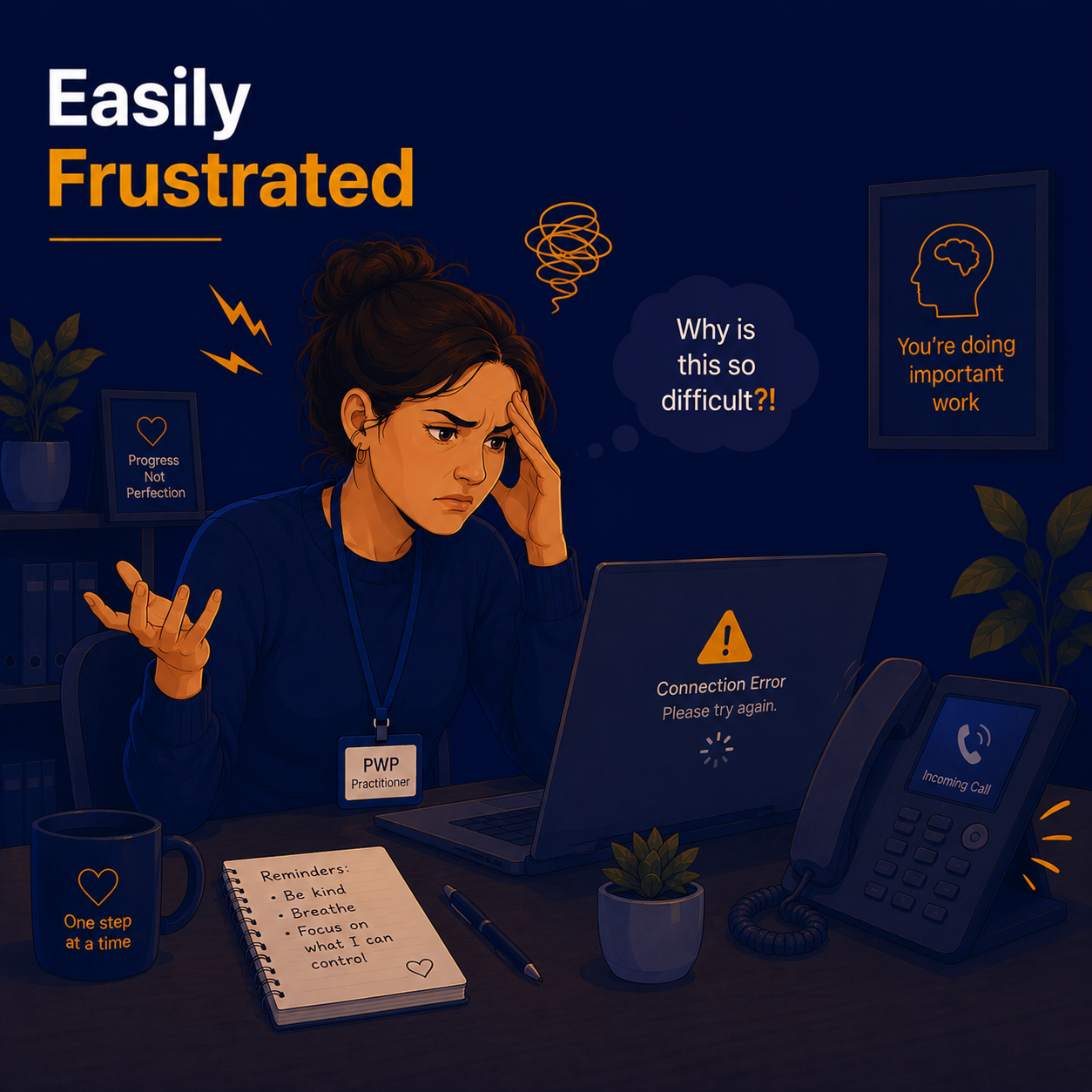
Increased Irritability and Frustration
When stress levels are high, patience often becomes harder to maintain. You may notice yourself becoming more irritable with colleagues, patients, friends, or family members. Small frustrations that would normally be manageable can begin to feel much more difficult to tolerate.
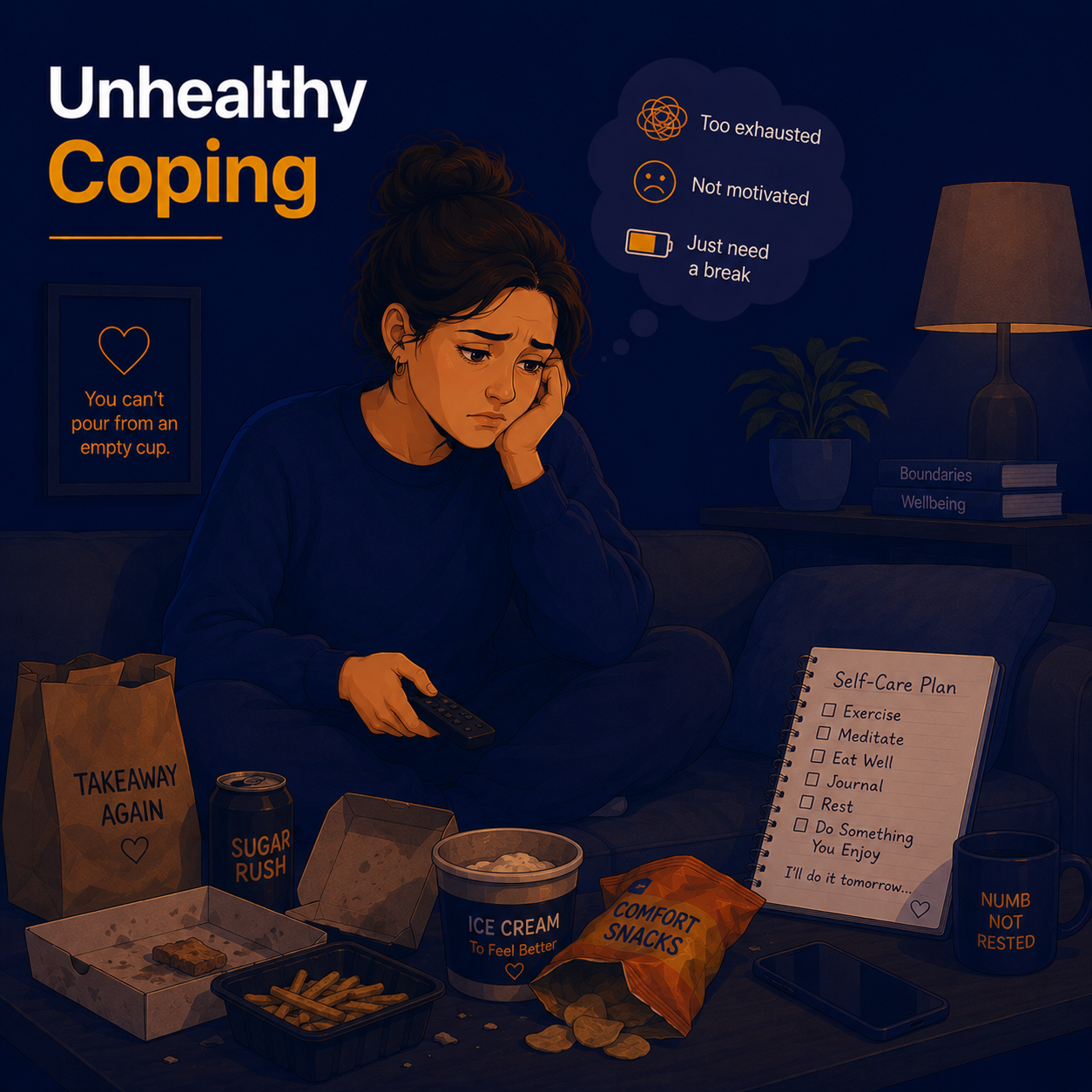
Changes in Behaviour Outside of Work
Burnout can affect how you cope outside of work. Some people notice themselves overeating, drinking more alcohol, withdrawing socially, spending excessive time online, or relying on other unhealthy coping strategies to manage stress and emotional exhaustion.
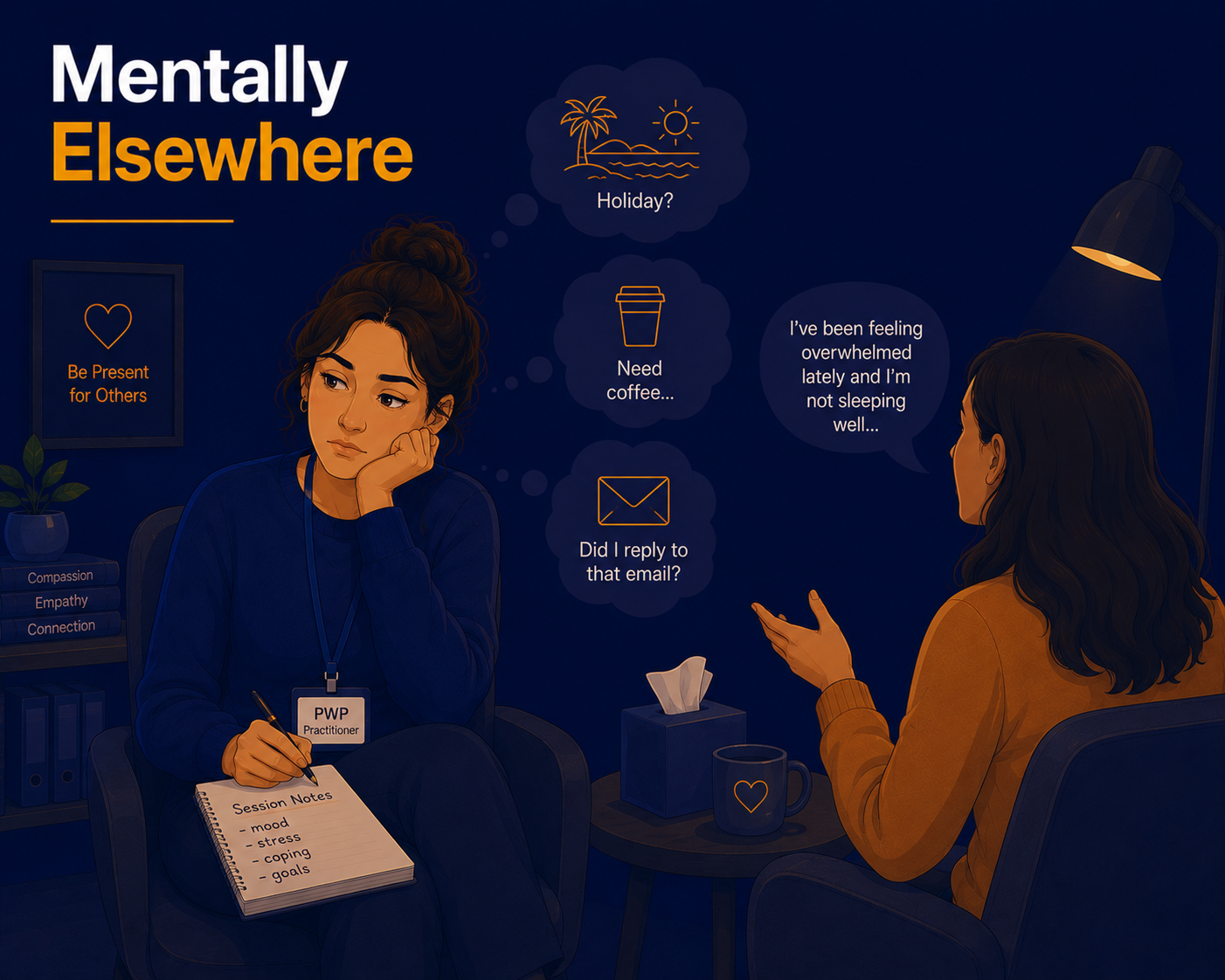
Difficulty Staying Present During Sessions
If you find your mind wandering during appointments, struggling to listen fully, or feeling disconnected from patients, this may be a sign that your emotional and cognitive resources are becoming depleted. Maintaining focus can become increasingly difficult when burnout develops.
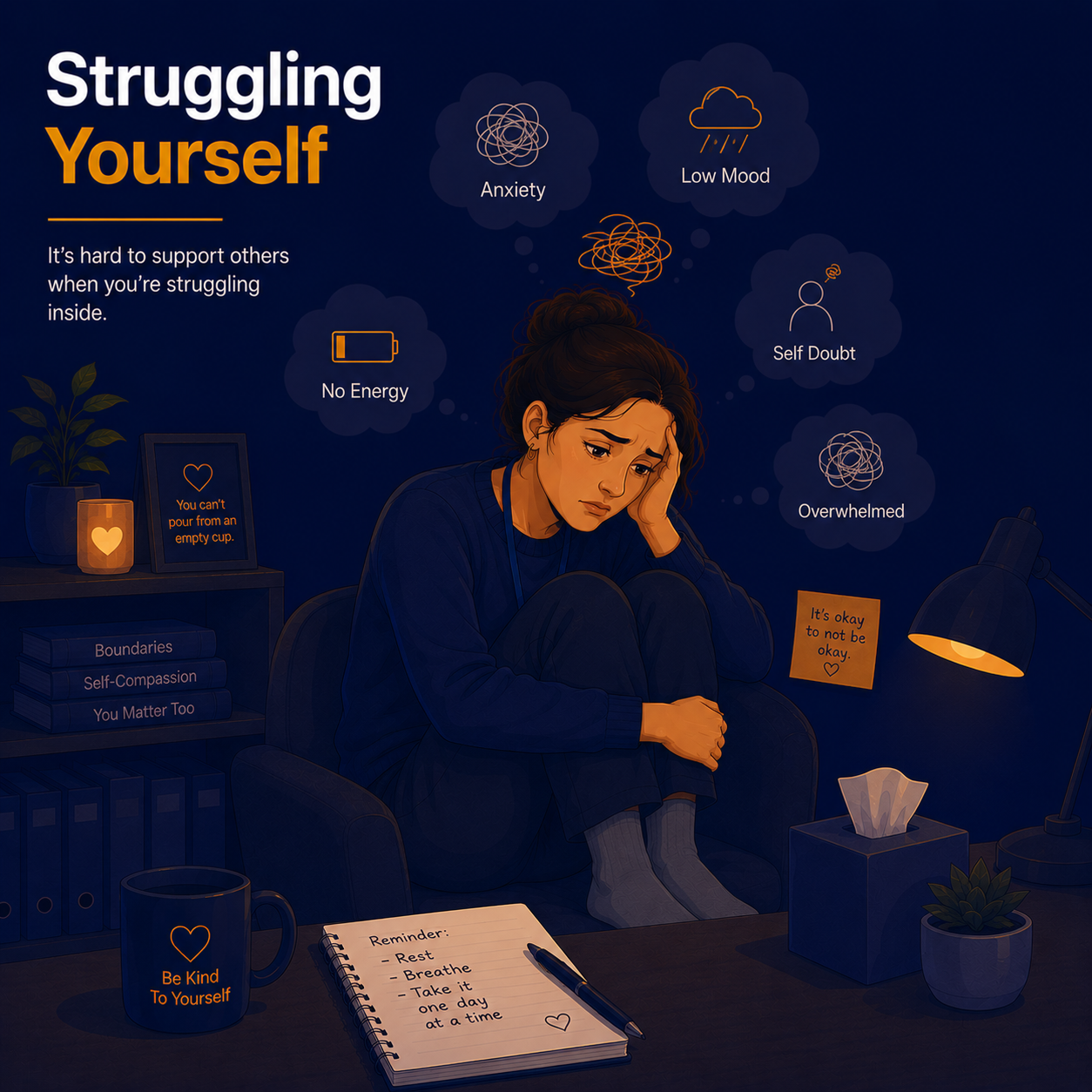
Increased Anxiety or Depression
Burnout can contribute to symptoms of anxiety and depression. You may notice persistent worry, low mood, reduced enjoyment in activities, poor motivation, or feelings of hopelessness. These symptoms should be taken seriously and discussed with appropriate sources of support.
Struggling to Keep on Top of Administrative Tasks
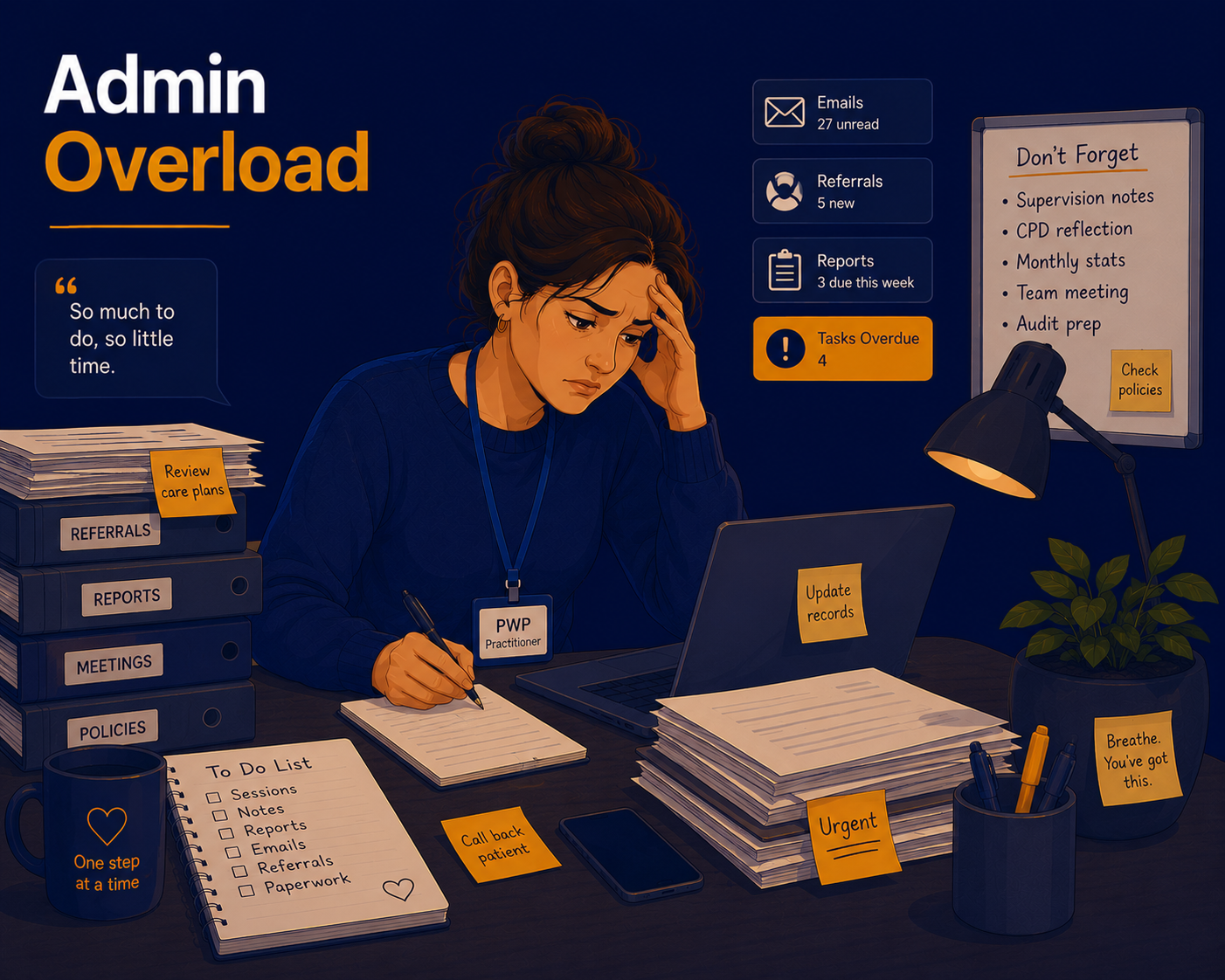
Many PWPs notice that admin tasks become increasingly difficult when they are approaching burnout. Notes may take longer to complete, emails may pile up, and organisational tasks can start to feel overwhelming. This often reflects mental fatigue rather than a lack of ability or commitment.

Low-Intensity Cognitive Behaviour Therapy; A Psychological Wellbeing Practitioner (PWP) Handbook: 2nd Edition
The essential training manual for psychological wellbeing practitioners
A practical, accessible and easy to read guide to the core models, skills and interventions used in low intensity CBT - with a clear focus on applying theory to real practice.


Self-Care Tips for Psychological Wellbeing Practitioners
Take Regular Breaks Throughout the Working Day
One of the most important self-care habits for Psychological Wellbeing Practitioners is taking regular breaks. Back-to-back assessments and treatment sessions can be emotionally demanding and mentally draining. Even a short walk, stretching exercise, or a few minutes of deep breathing between appointments can help you recharge, improve concentration, and reduce stress.

Make Use of Peer Support
Peer support can be a valuable source of encouragement and stress management for PWPs. Regularly connecting with colleagues to discuss challenges, share experiences, and debrief difficult cases can reduce feelings of isolation and improve resilience in demanding mental health roles.

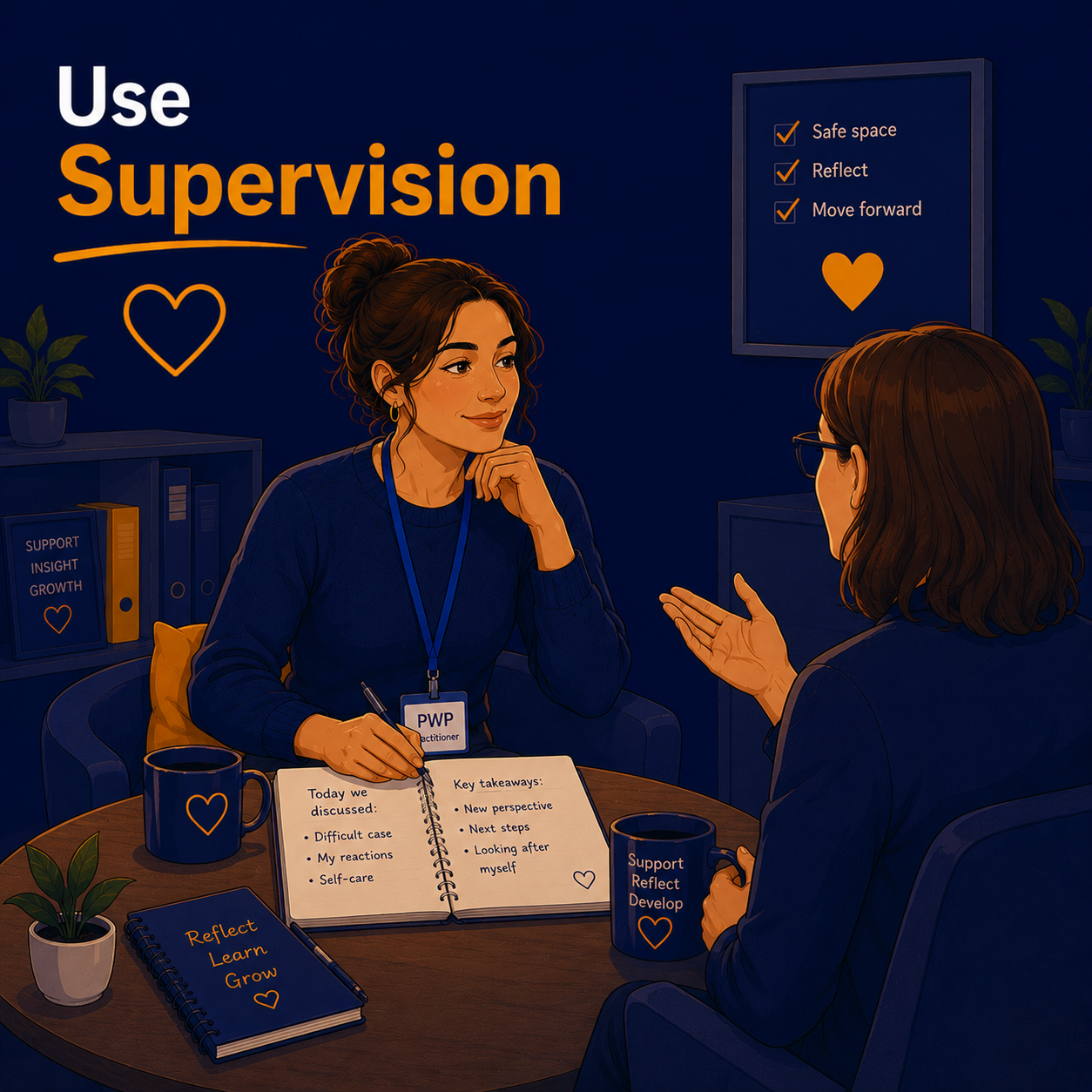
Get the Most from Clinical Supervision
Clinical supervision is not only for discussing patients. It is also an opportunity to reflect on your own wellbeing, discuss difficult cases, seek support, and identify potential signs of stress or burnout. Make supervision a space where your needs are addressed as well.
Learn to Say No
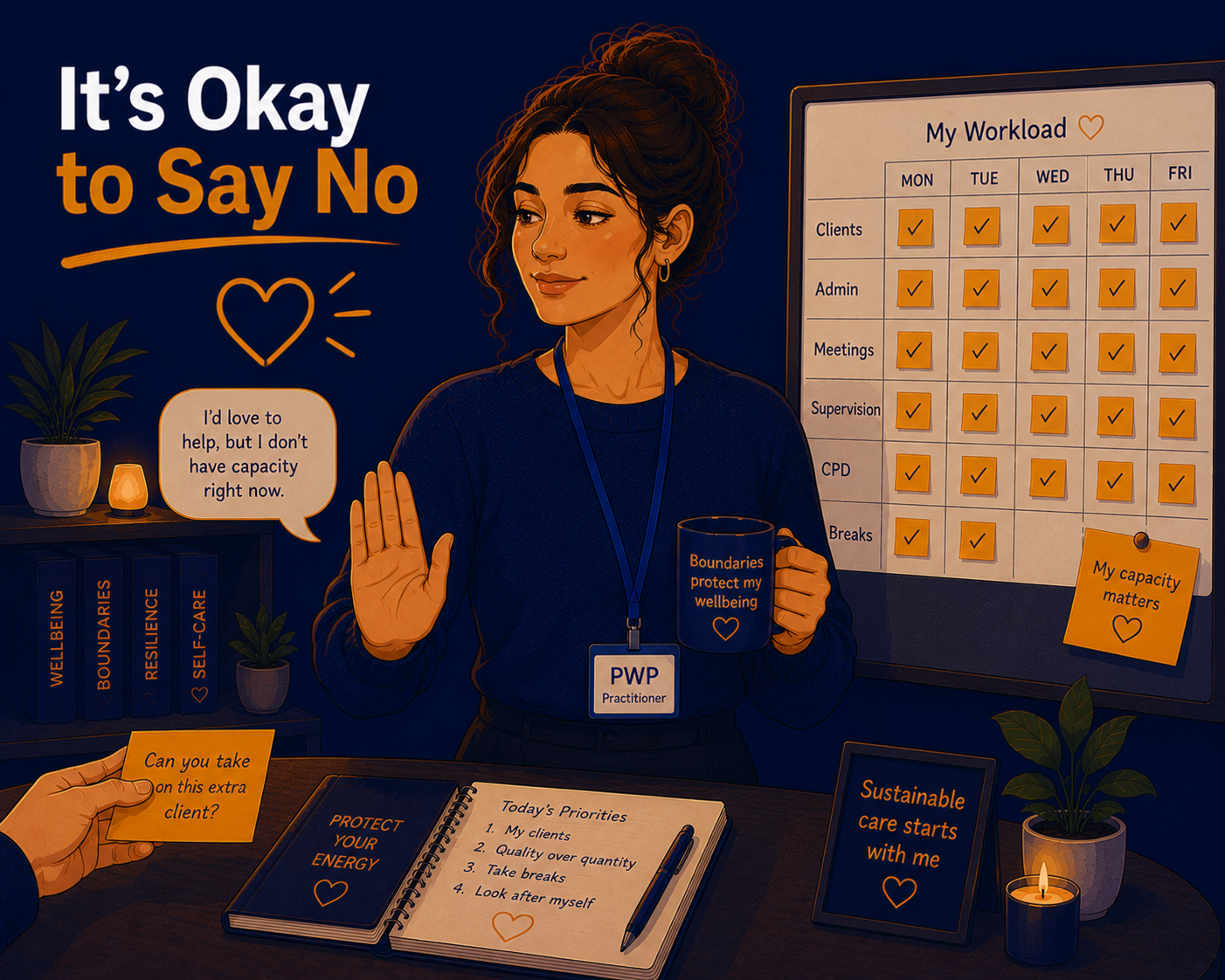
Many Psychological Wellbeing Practitioners find it difficult to say no, particularly when working in busy NHS services where additional responsibilities regularly arise. You may be asked to take on extra projects, cover colleagues, attend additional meetings, or accept referrals that are not suitable for low-intensity treatment.
While being helpful is important, sometimes taking on took much is not manageable in the long run. Learning to day no is an important skill.
Practice Self-Compassion
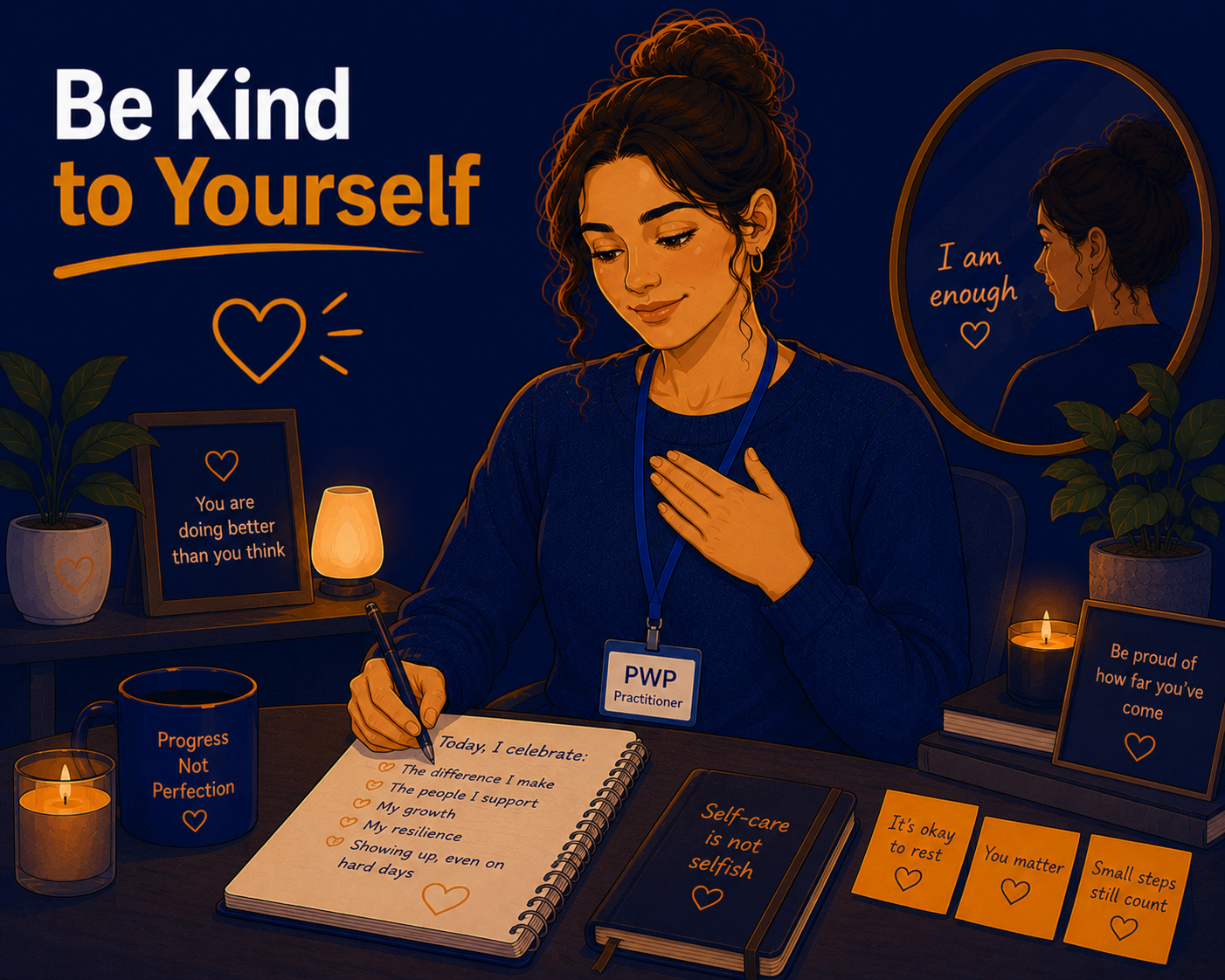
Self-compassion is a key component of Psychological Wellbeing Practitioner self-care. Acknowledge your achievements, recognise your effort, and accept that not every session will go perfectly. Treat yourself with the same kindness and understanding that you would offer to a patient facing similar challenges.
Set Healthy Boundaries Between Work and Home
Maintaining clear boundaries is essential for preventing Psychological Wellbeing Practitioner burnout. Define your working hours and avoid routinely taking work home. Protect your lunch break and resist the temptation to sacrifice your own wellbeing to accommodate patient schedules. Looking after yourself allows you to provide the best possible care to others.

Prioritise Physical Health and Wellbeing
Physical health and mental wellbeing are closely connected. Eating a balanced diet, exercising regularly, staying hydrated, and getting sufficient sleep can improve energy levels and resilience. While it may be tempting to rely on comfort food during stressful periods, healthier choices often provide longer-lasting benefits.

Practice the Skills You Teach Others
As a Psychological Wellbeing Practitioner, the CBT and wellbeing techniques you teach patients can benefit you too. Consider using self-reflection, behavioural activation, worry time, cognitive restructuring, mindfulness, or other self-help strategies to support your own mental health and wellbeing.

Use Mindfulness and Relaxation Techniques
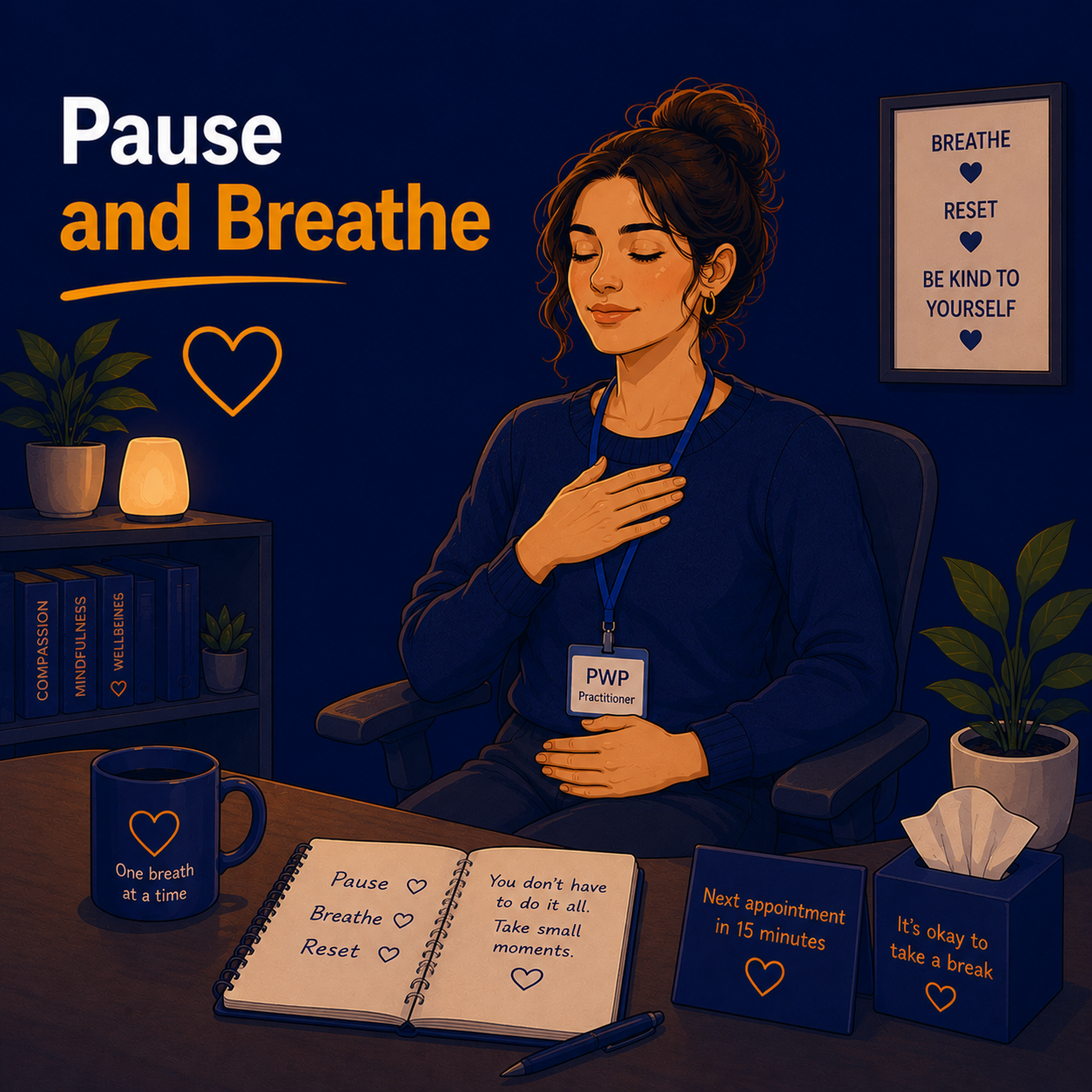
Mindfulness and relaxation exercises can help Psychological Wellbeing Practitioners manage workplace stress and maintain emotional balance. Even one or two minutes of mindful breathing between sessions can help reduce tension and improve focus throughout the day.
Invest in Your Professional Development
Ongoing professional development can increase confidence, competence, and job satisfaction. Attending training, developing new skills, and reflecting on your strengths can help reduce self-doubt and support long-term career wellbeing. Remember that the work you do as a PWP has a meaningful impact on people's lives.

Maintain a Healthy Work-Life Balance
A healthy work-life balance is essential for preventing burnout. Make time for hobbies, social activities, exercise, and rest outside of work. Just as you encourage behavioural activation in patients, it is important to maintain a balanced and fulfilling routine yourself.

Seek Professional Support When You Need It
Psychological Wellbeing Practitioners are not immune to stress, anxiety, or burnout. If you are struggling, seek support early. Discuss concerns in supervision, access occupational health services if available, or consider personal therapy. Seeking help is a sign of professional responsibility, not weakness.